Embroidery
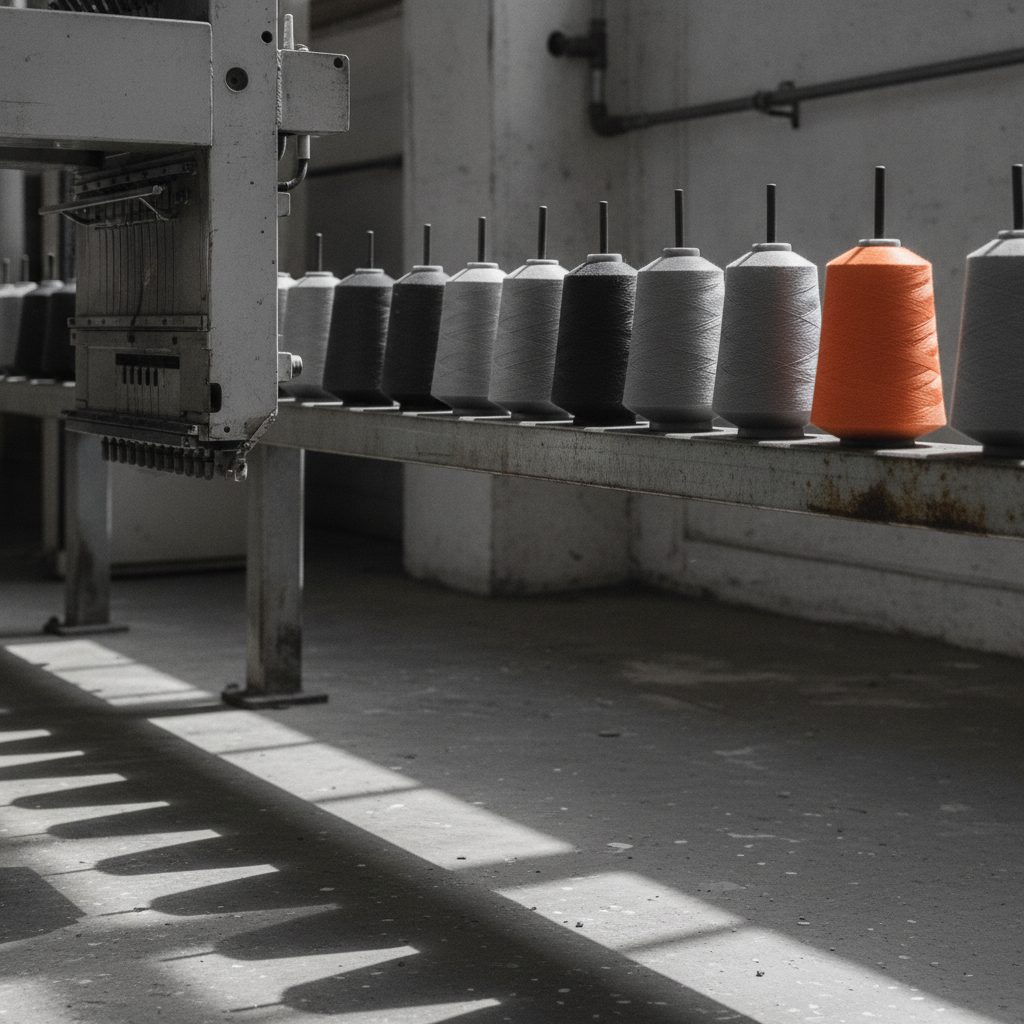
Thread, not ink
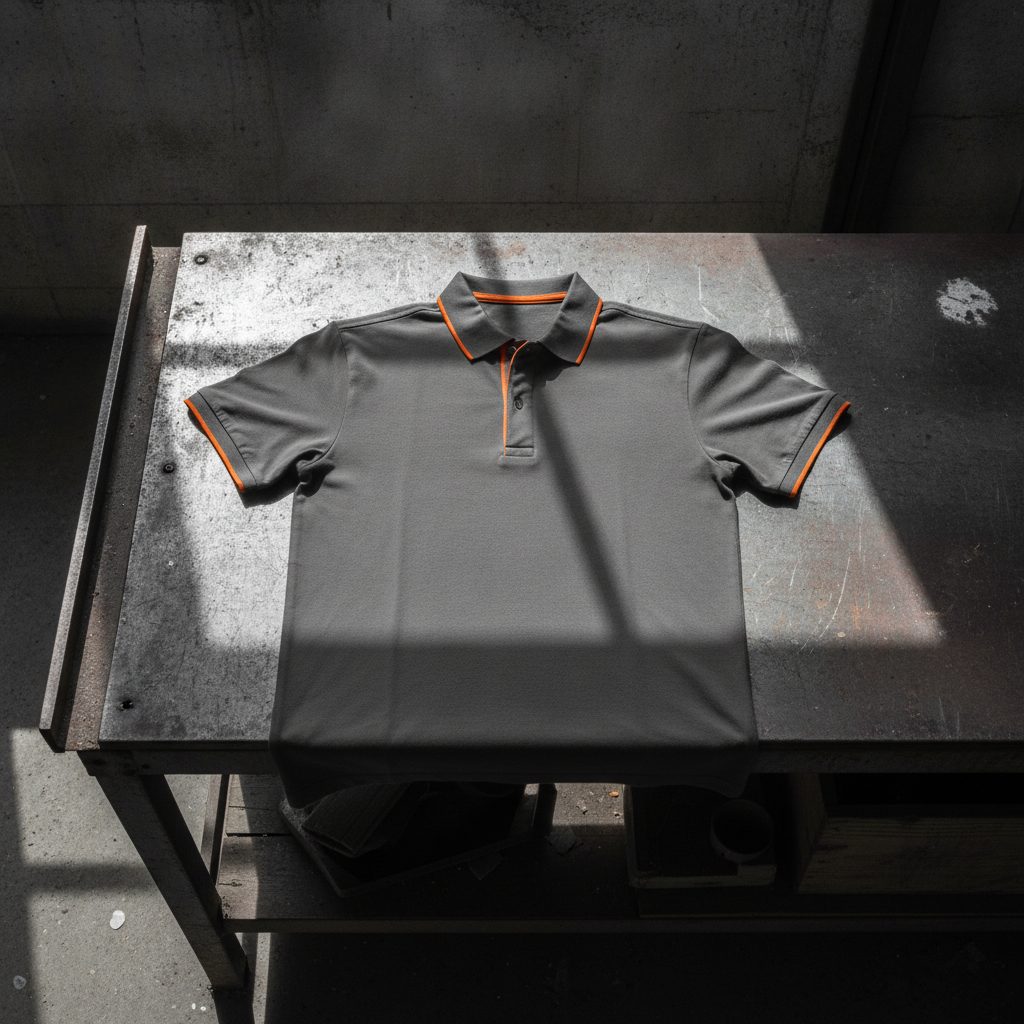
There is nothing on the surface to crack, fade or lift, because the mark is stitched into the garment rather than printed onto it. That is why a polo, a cap or a work jacket that has to look identical in two years is almost always an embroidery job.
No minimum
Standard 4.5 in wide
Up to 12 thread colors
477 garments
What it suits
Where embroidery is the right answer
🎯
Anything laundered weekly
A uniform gets washed far more than a t-shirt ever will. Thread has nothing sitting on the surface to break down, so the mark on year two looks like the mark on week one.
⚡
Structured garments
Caps, polos, work jackets, aprons and fleece. Anywhere a printed mark would have to cross a seam, a pocket or a heavy weave, stitching handles it and ink does not.
🧵
Small marks that must stay sharp
A left-chest logo at 4.5 inches wide, which is where most company marks belong. Stitch density is matched to the fabric, so a knit beanie and a twill cap both sit flat rather than puckering.
Stitch placement
Where stitching lands best
Placement is not restricted, but these four cover almost every uniform order, and the sizes are the ones that actually fit them.
Left chest
The standard · 3×3 to 4×4 in
Where a company mark belongs. Standard width is 4.5 inches, which is small enough to read as a uniform and large enough to keep fine detail legible in thread.
Cap front
Structured or unstructured · 2 to 2.5 in tall
A structured cap holds a denser stitch than an unstructured one; on an unstructured front the design is set lighter so the panel does not pull. Say which you are ordering and we will digitize for it.
Sleeve
Second mark · 2×2 to 3×3 in
A trade, a site name or a certification wording. Keep it inside the flat panel — anything crossing the seam distorts as the sleeve moves.
Back yoke
Company name · up to 10 in wide
The zone with room for a company name across the shoulders on a work shirt or jacket. Stitch count rises quickly at this size, so it is worth pricing before you commit to it.
Before it runs
Send the artwork and we will digitize it, then mark the placement and the finished size on the mockup before a needle moves.
Garments that take embroidery
477 of the 493 garments in the catalog can be embroidered — more than any other method here. This is a live slice of them.
-
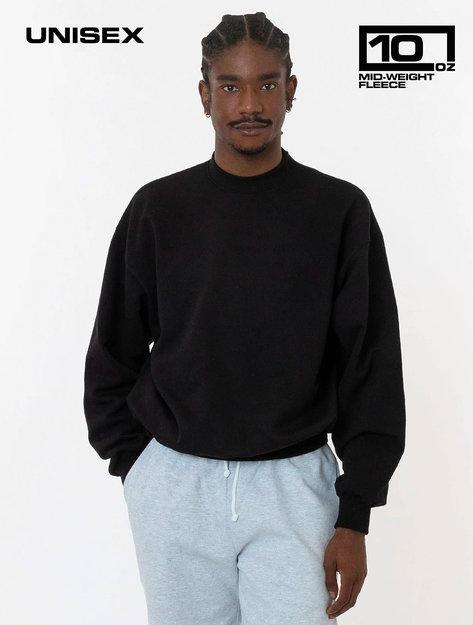
10oz Fleece Wide Crew
View Product: 10oz Fleece Wide Crew$61.70 -
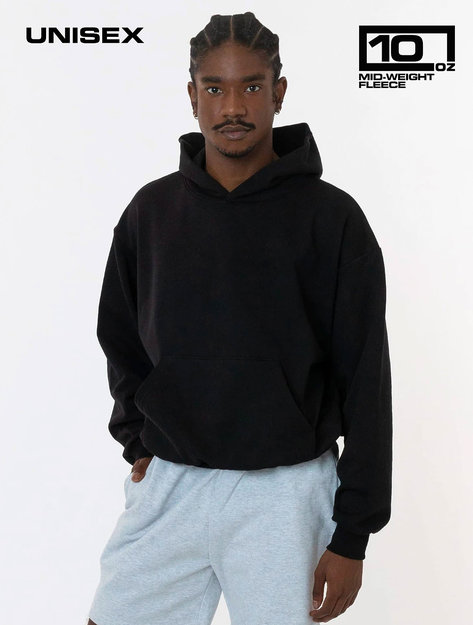
10oz Fleece Wide Hoodie
View Product: 10oz Fleece Wide Hoodie$74.18 -
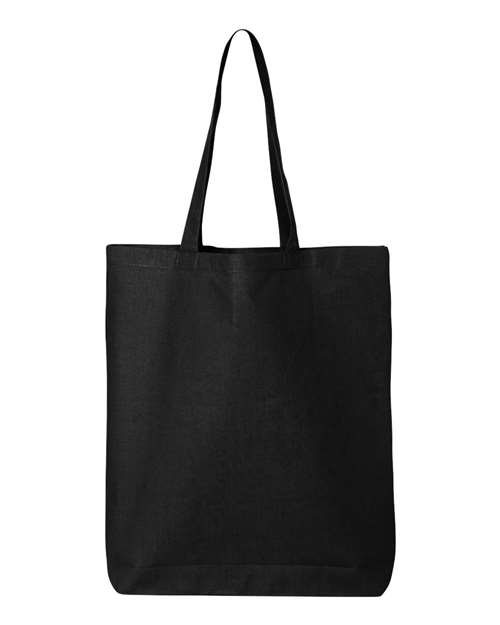
12L Economical Tote
View Product: 12L Economical Tote$5.16 -
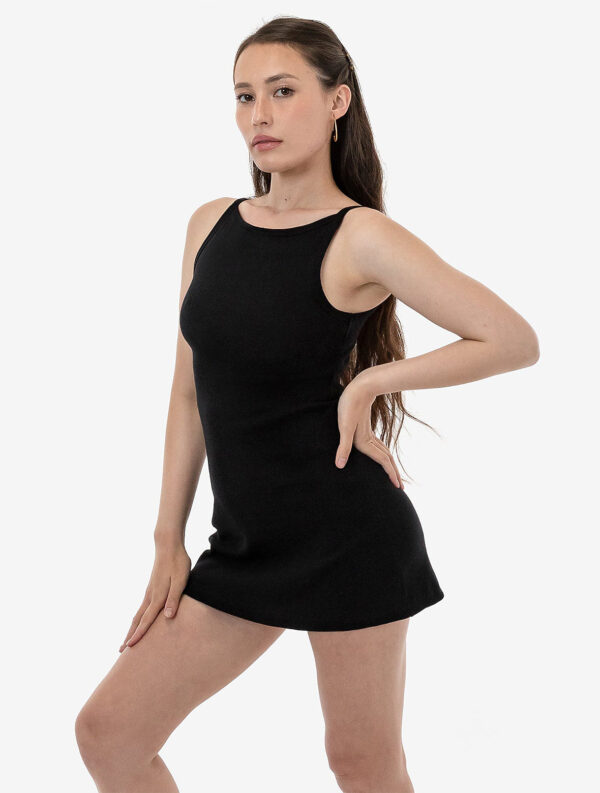
14/1RibSpaghetti BoatneckDress
View Product: 14/1RibSpaghetti BoatneckDress$17.16 -
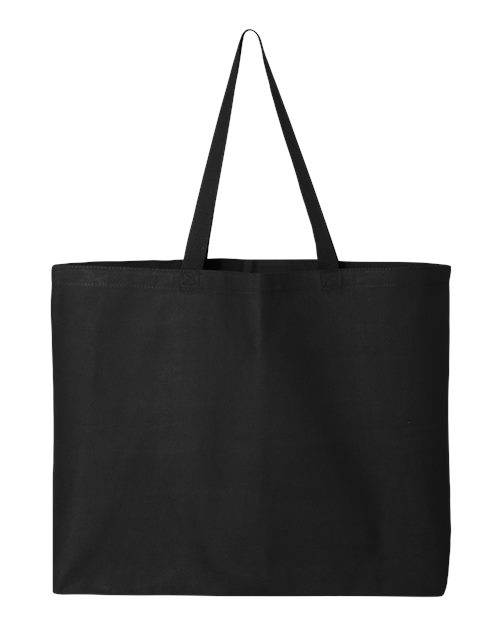
25L Jumbo Tote
View Product: 25L Jumbo Tote$8.16 -
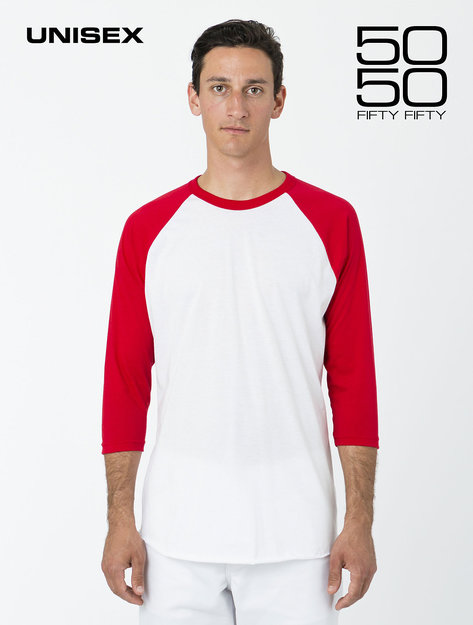
3/4 Sleeve Cotton Poly Raglan 3.8oz
View Product: 3/4 Sleeve Cotton Poly Raglan 3.8oz$18.48 -
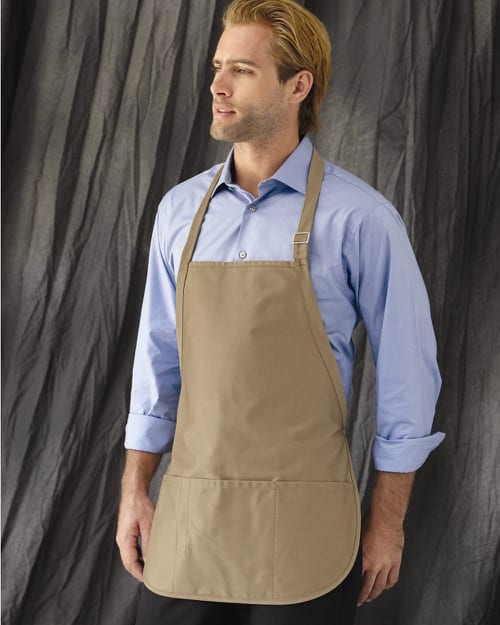
Adjustable Neck Strap Three Pocket Apron
View Product: Adjustable Neck Strap Three Pocket Apron$19.14 -
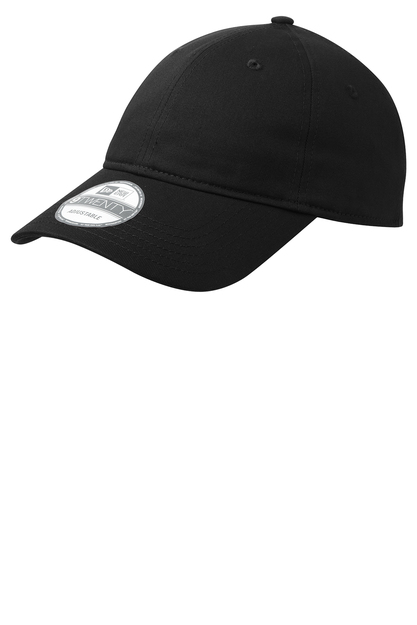
Adjustable Unstructured Cap
View Product: Adjustable Unstructured Cap$18.45
FAQ
Questions we get asked
Is there a minimum?
No. One cap is a normal order. Digitizing the artwork is a one-off setup, so the first piece carries more of it than the hundredth — but the file is kept, and a reorder never pays for it twice.
How big can the logo be?
Standard is 4.5 inches wide, and larger can be requested. Up to 12 thread colors in one design, with metallic and 3D puff threads available. Stitch count drives the price more than physical size does, so a dense small mark can cost more than a simple large one.
Will it look like my logo?
Close, and we will tell you where it will not. Thread cannot hold a gradient, a glow or a hairline rule — those get simplified when the artwork is digitized. You see exactly what that looks like on the mockup, before anything is stitched.
What file format do you need?
Vector (AI, EPS, PDF) is best. Raster works at 300 DPI at final size on a transparent background. Use a clipping path for sharp edges, and avoid fades or glows on free-floating artwork — there is no way to stitch them.
Can you embroider garments I supply?
Yes, and for certified hi-vis it is the usual route. Send a spec sheet first so we can confirm the fabric takes a needle without distorting, and include 2–3% spoilage. We do not cover replacement cost on customer-supplied garments.
One garment
Order it online
Embroidery carries no minimum, so a single cap or one jacket is a normal order. Price it, proof it and pay for it without a single email.
A whole crew
Run it as a program
One garment set, one approved stitch file, reordered as people join. Blind shipping and multi-address fulfillment available, and a named representative on the account from quote to freight.