Screen printing, Vernon California
The method that survives the laundry
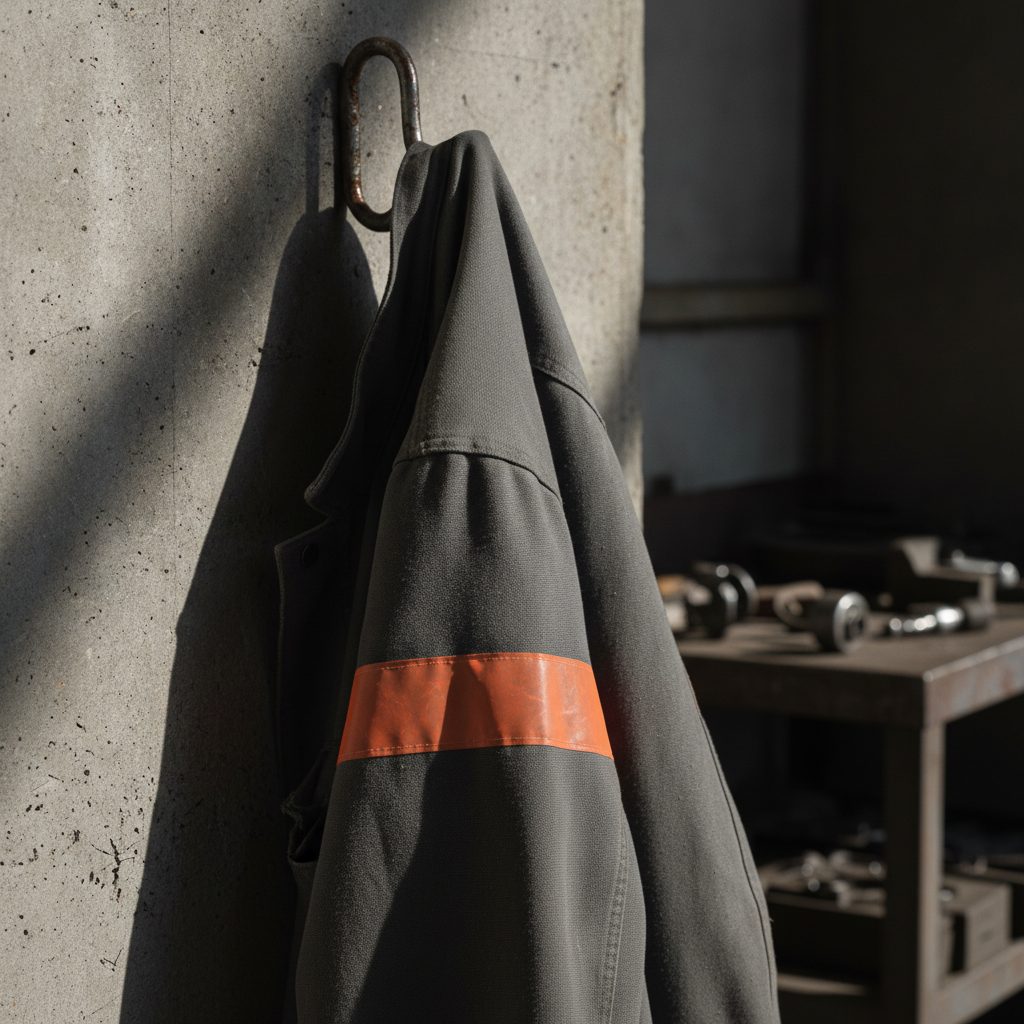
Ink cured into the fabric rather than sitting on top of it, which is why a screen print outlasts a transfer on anything that gets washed every week. It is also the only route to 3M reflective, puff and metallic.
From 12 pieces per design
Plastisol or water-based
3M reflective available
Max print 15 × 18 in
How it works
How a screen-print run goes
From the first file to the boxed order, here is what happens and in what order.
Send the file
Send the artwork with the garment and the quantity. Vector (AI, EPS, PDF) separates cleanly; raster works at 300 DPI at final size on a transparent background. We will say straight away if a file will not hold up at print size.
Garments, decoration and freight priced separately
Approve the mockup
You get a digital mockup with the print size and the placement marked on it. Nothing goes to press until you approve it, and the approved settings go on file so the reorder matches.
Nothing runs until you approve it
We print and ship
The run goes through press and cure and is checked piece by piece; anything off-register or short-cured is pulled and re-run rather than shipped. Then it is folded, poly-bagged or boxed as a size run, your call.
Standard is 2 to 3 weeks, including shipping
Free shipping over $250
Fabric and ink
The fabric decides the ink
Screen printing is not one process. What the garment is made of changes which ink goes on it, and getting that wrong is the single most common way a uniform print fails.
Cotton
Plastisol or water-based
The straightforward case. Takes fine detail, holds color through the wash, and either ink family works — plastisol for opacity, water-based for a softer hand.
Polyester
Low-cure ink or a blocker
Polyester dye migrates under heat, so a white print laid straight onto it turns pink or grey weeks later. It needs a low-cure ink or a blocker underbase. This is why performance garments are quoted differently.
Poly-cotton blends
Depends on the split
Anything much above 30% polyester carries the same migration risk as full polyester. Send the style number and we will tell you which side of that line it falls on before you order.
Canvas, drill and fleece
Heavier deposit
A textured or brushed surface needs a heavier ink deposit to sit on the pile rather than sink into it. Coveralls, work shirts and hooded fleece all sit here.
Reading the spec
GSM is weight, not quality. A lighter garment with a smoother face holds a finer halftone than a heavier one with a coarse yarn, so weight on its own does not tell you how a print will land.
Fiber split matters more than weight. Anything above roughly 30% polyester needs a blocker or a low-cure ink, or the dye bleeds into your white. That is a quoting question, not a production surprise.
Not sure? Send the style number and we will tell you.
Inks you can ask for by name
Four we keep on hand. Ask for any of them on the quote — they change the price, so it is worth deciding before the mockup rather than after.
Plastisol
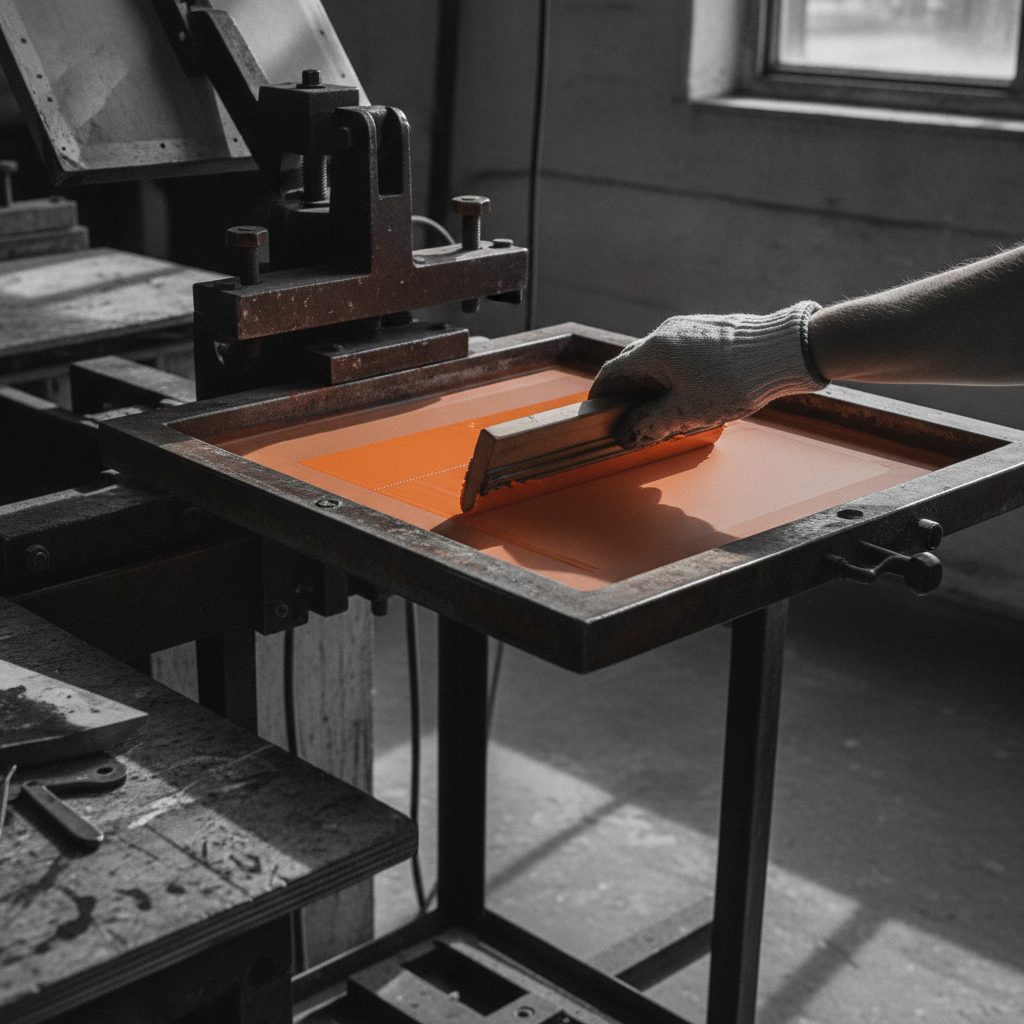
The default, and the one to pick for a uniform. Cured under heat so it bonds into the fibers and flexes with the fabric. Opaque on dark garments, and the most forgiving across a mixed size run.
Water-based
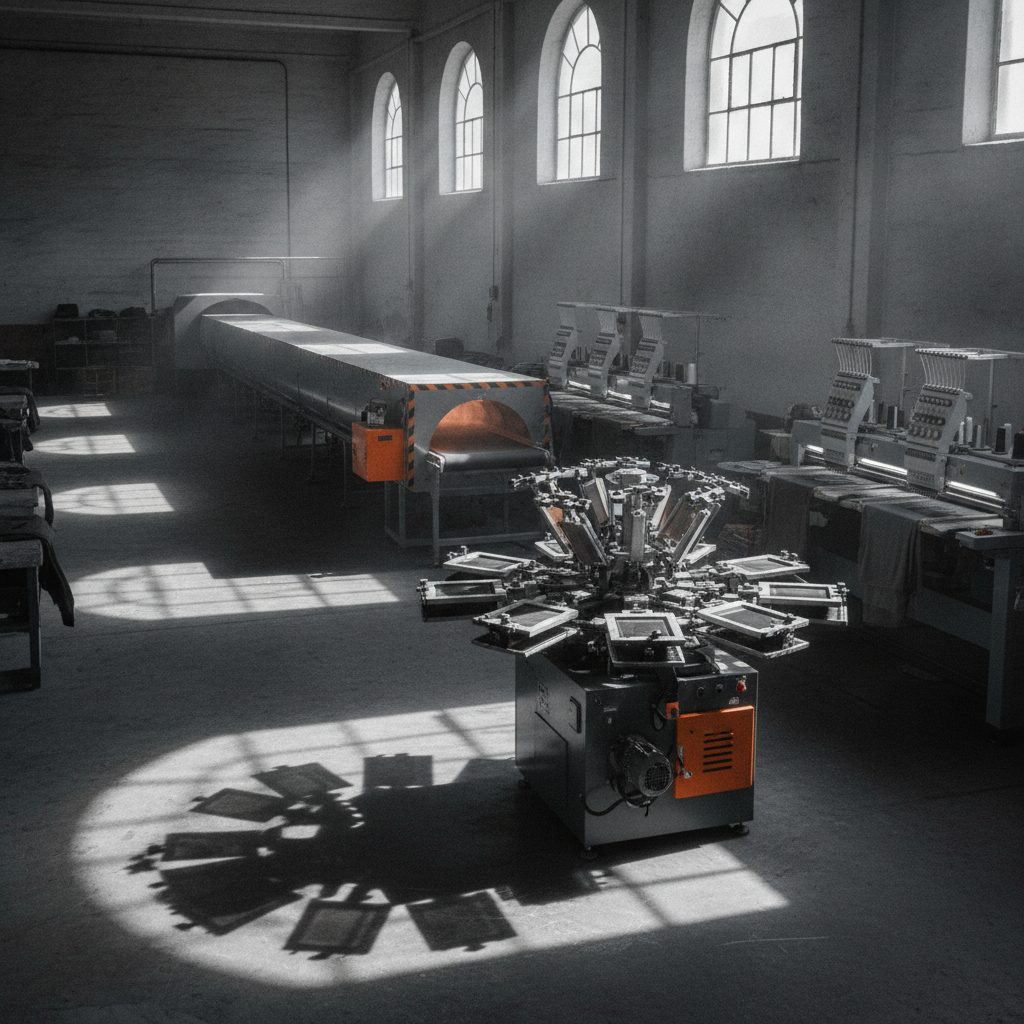
Softer to the touch because the ink sinks into the fabric rather than sitting on it. Best on light cotton, and worth asking about when the garment is worn against the skin all day. Less opaque on dark colors.
3M reflective
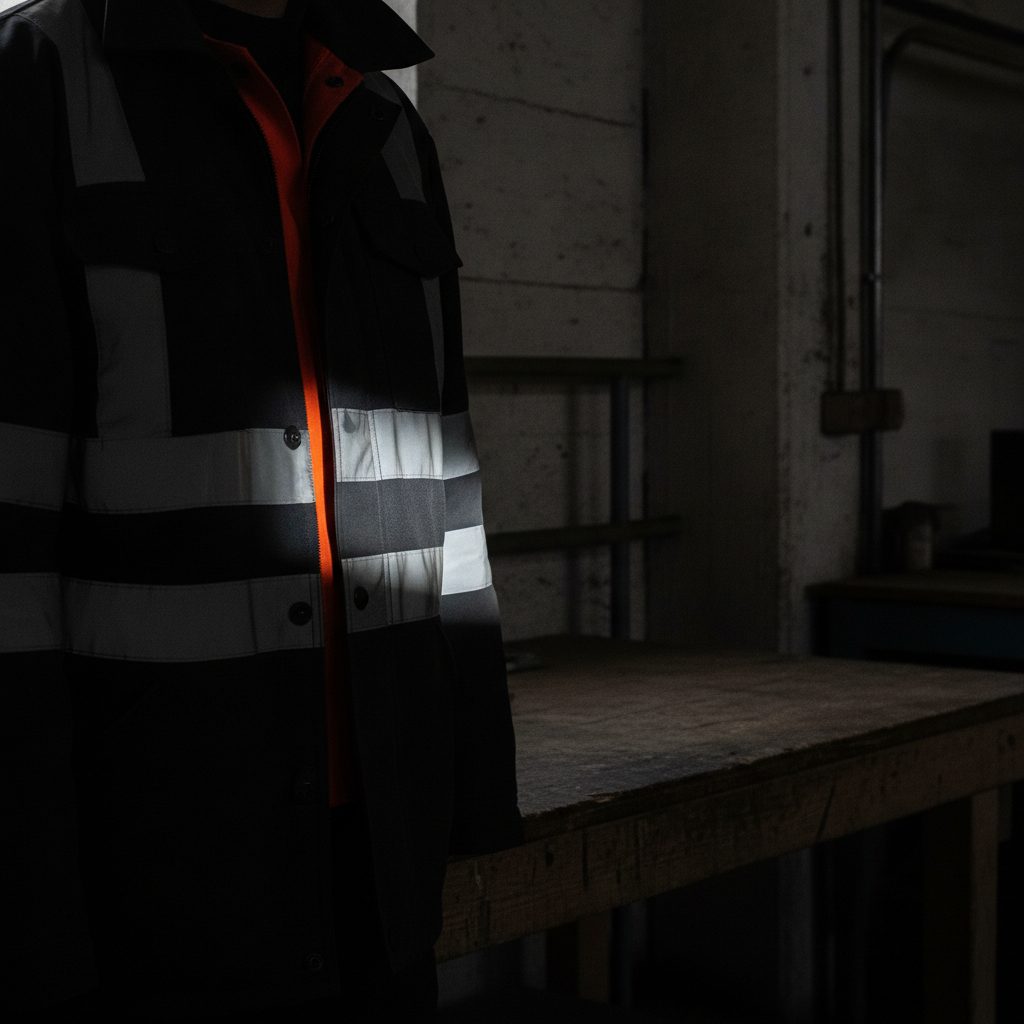
Glass-bead ink that throws light back toward its source, so a logo on a back panel reads under a headlamp or a headlight. Screen print only — no digital method can lay it down. This is the honest version of high-visibility branding.
Puff and specialty
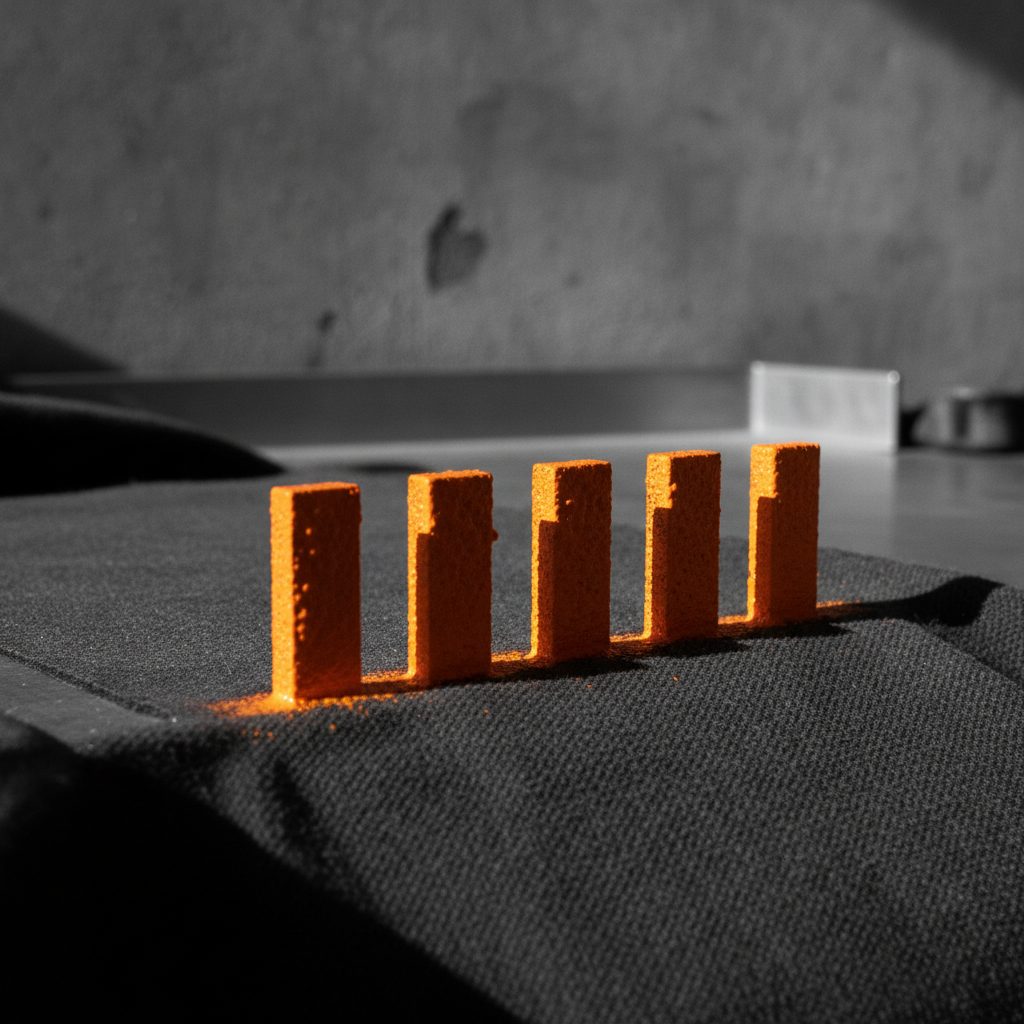
Puff rises off the surface when it cures, and metallic and high-density give a mark you can feel. Screen print only; a digital method can print a picture of texture but cannot make one. Quoted per job.
Garments that take screen print
424 of the 493 garments in the catalog can be screen printed. This is a live slice of them, straight out of the catalog.
-
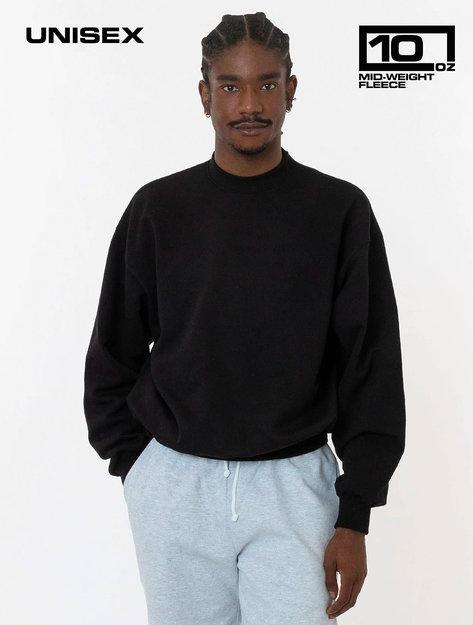
10oz Fleece Wide Crew
View Product: 10oz Fleece Wide Crew$61.70 -
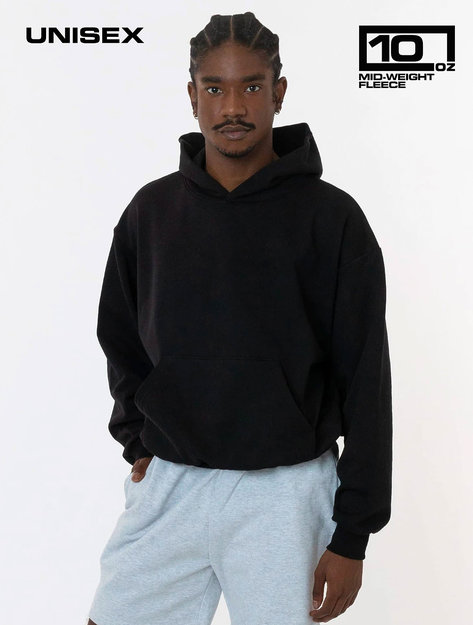
10oz Fleece Wide Hoodie
View Product: 10oz Fleece Wide Hoodie$74.18 -
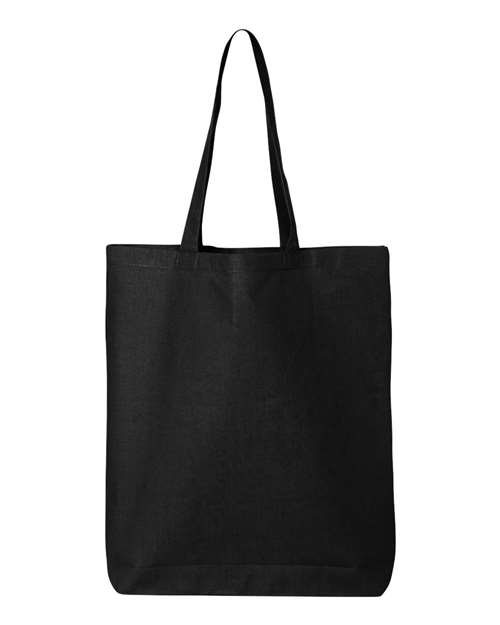
12L Economical Tote
View Product: 12L Economical Tote$5.16 -
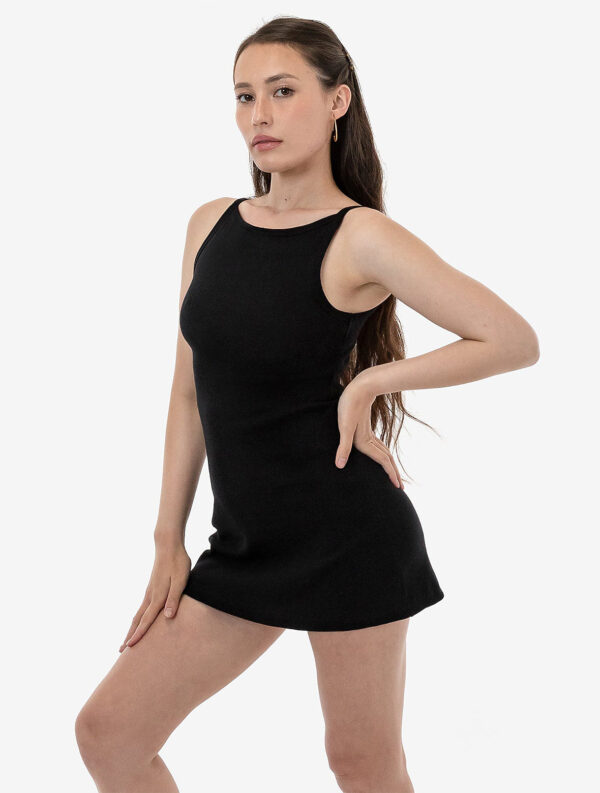
14/1RibSpaghetti BoatneckDress
View Product: 14/1RibSpaghetti BoatneckDress$17.16 -
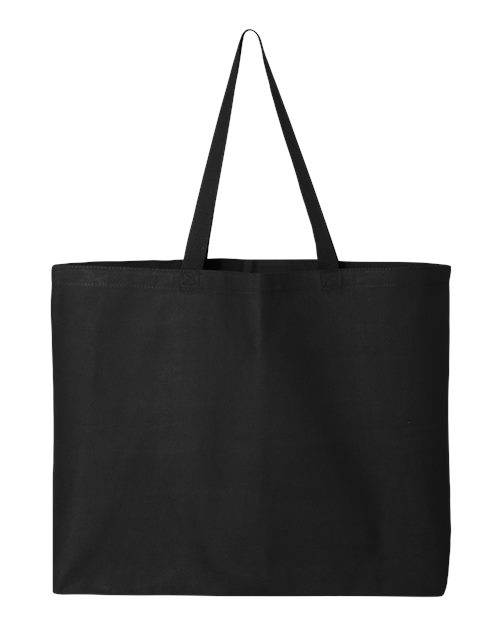
25L Jumbo Tote
View Product: 25L Jumbo Tote$8.16 -
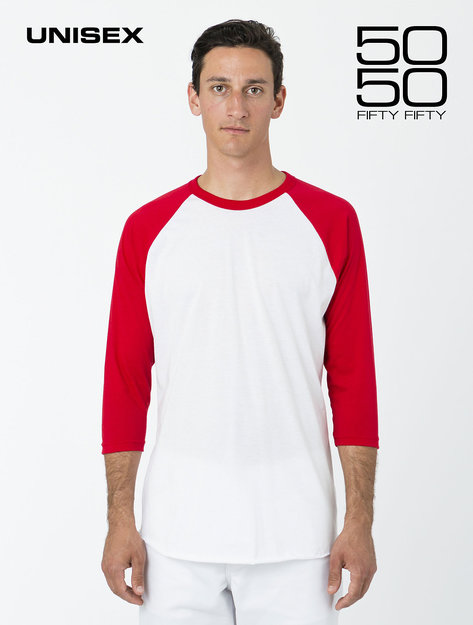
3/4 Sleeve Cotton Poly Raglan 3.8oz
View Product: 3/4 Sleeve Cotton Poly Raglan 3.8oz$18.48 -
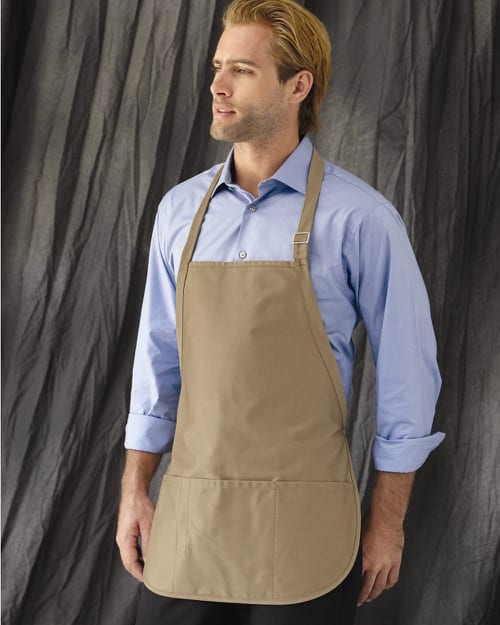
Adjustable Neck Strap Three Pocket Apron
View Product: Adjustable Neck Strap Three Pocket Apron$19.14 -
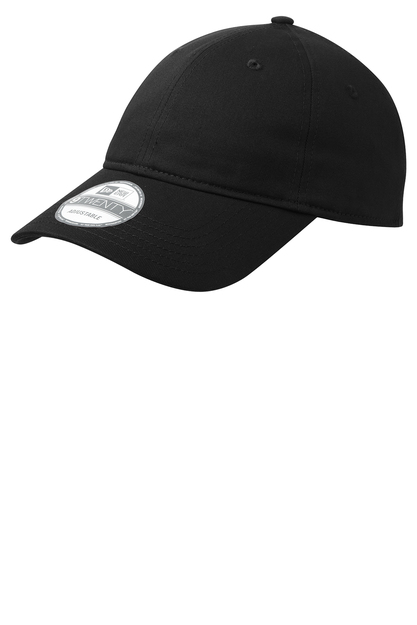
Adjustable Unstructured Cap
View Product: Adjustable Unstructured Cap$18.45
FAQ
Questions we get asked
What is the minimum for screen printing?
12 pieces per design. Below that, embroidery, DTF and DTG all carry no minimum, so a short run is still perfectly possible — it just goes on a different machine.
Can you print 3M reflective?
Yes, and screen print is the only way to get it — no digital method can lay down a glass-bead ink. Ask for it by name on the quote. It suits a back panel or a jacket, where it has room to be seen.
Why did my white print turn pink?
Dye migration. Polyester dye moves under heat and keeps moving for weeks afterwards, so a white print laid straight onto a poly garment discolors long after it left the shop. It is prevented at quoting stage with a low-cure ink or a blocker underbase, which is why we ask what the garment is made of.
What file format do you need?
Vector (AI, EPS, PDF) separates cleanest. Raster is fine at 300 DPI at final print size on a transparent background. Standard print sizes run 3 to 12 inches depending on placement, up to 15 × 18 inches by request.
Can I supply my own garments?
Yes. Send a spec sheet first so we can confirm the fabric takes our inks, and include 2–3% spoilage. We do not cover replacement cost on customer-supplied garments.
Get it priced
Send the garment, the quantity, the artwork and the ink you want. Garments, decoration and freight come back priced as separate lines.