Water-based transfers
A print you cannot feel
The ink soaks into the fabric instead of sitting on top of it, so the printed area stays as soft and as breathable as the garment around it. Applied as a transfer, so there is no minimum and no screen to pay for.
No minimum
Soft hand, no panel
Max 15 × 18 in
Best on light cotton
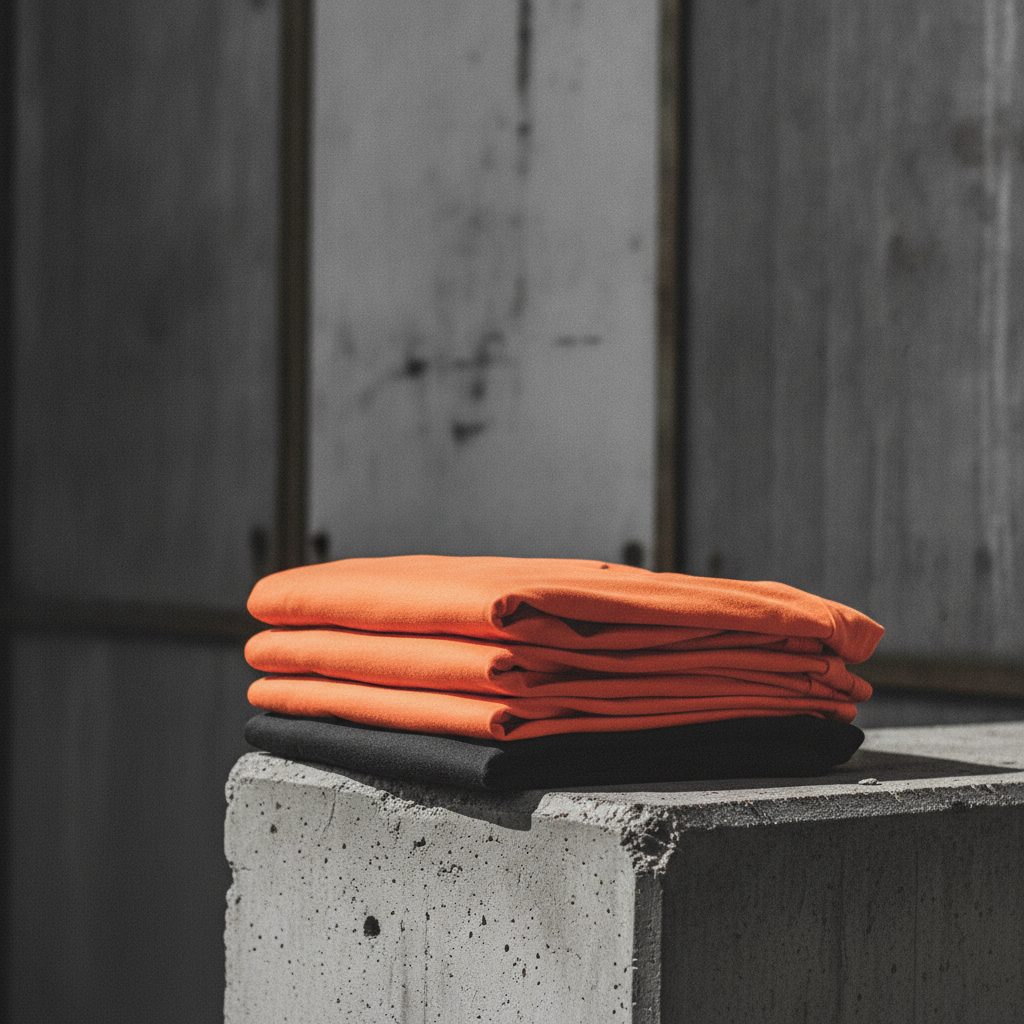
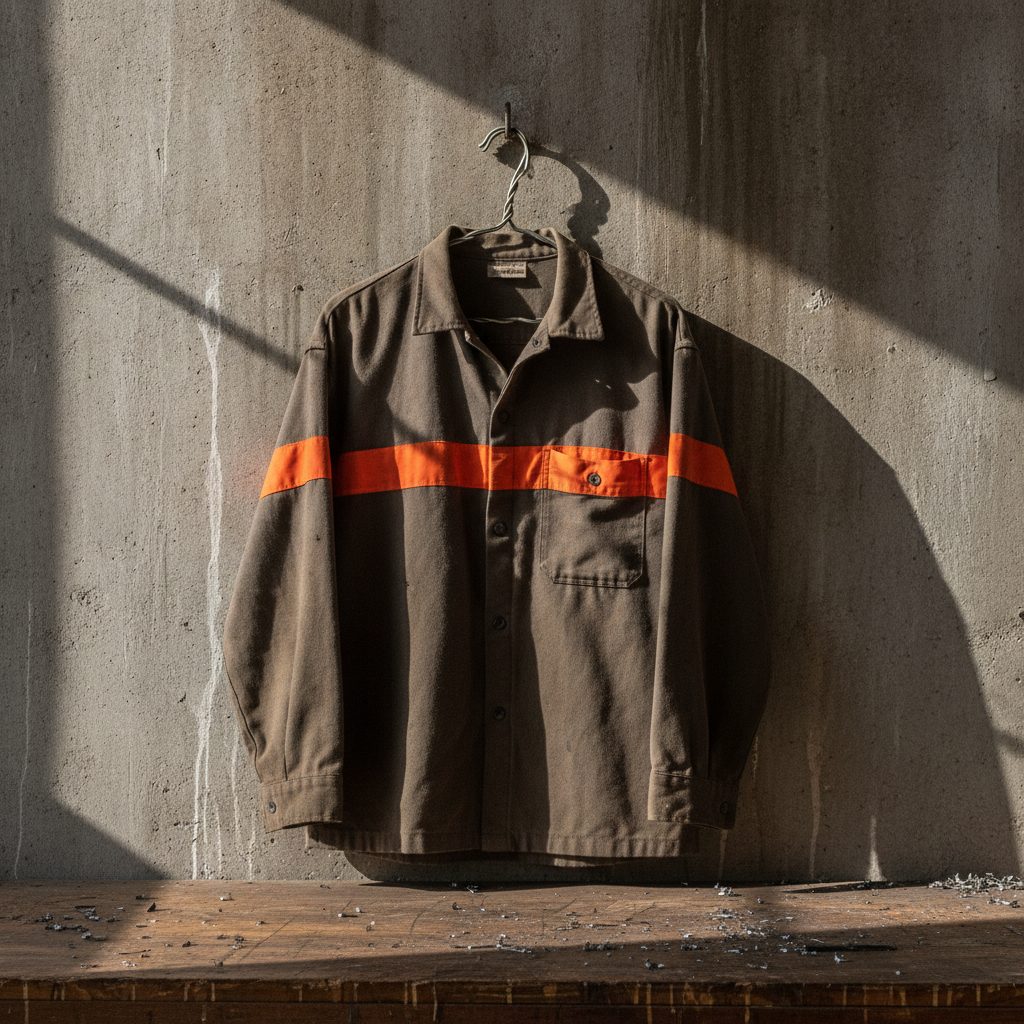
The difference
Water-based against the other transfer
Water-based
The ink dyes the fibers rather than coating them. Run a hand across the print and you feel the fabric, not a panel — which is the whole reason to choose it on a garment somebody wears through a full shift in the heat.
The trade-off is opacity. Because the ink is absorbed, the garment colour shows through it, so it reads best on white and light fabrics and is not the method for a bright mark on a dark work shirt.
DTF
A film bonded to the surface of the garment. Fully opaque on any colour, works on polyester and blends as well as cotton, and holds photographic detail — but you can feel it, because it is a layer sitting on the fabric rather than in it.
Both carry no minimum and both press onto a flat panel, so the choice between them is almost always about the garment colour and how the print should feel, not about quantity.
When to pick it
Three cases where this is the right call
🎯
Worn all day, in the heat
Kitchen, warehouse and outdoor crews in summer. A print that breathes with the fabric rather than sealing a patch of it is the difference between a shirt people keep wearing and one that ends up inside out.
⚡
Light garments, small runs
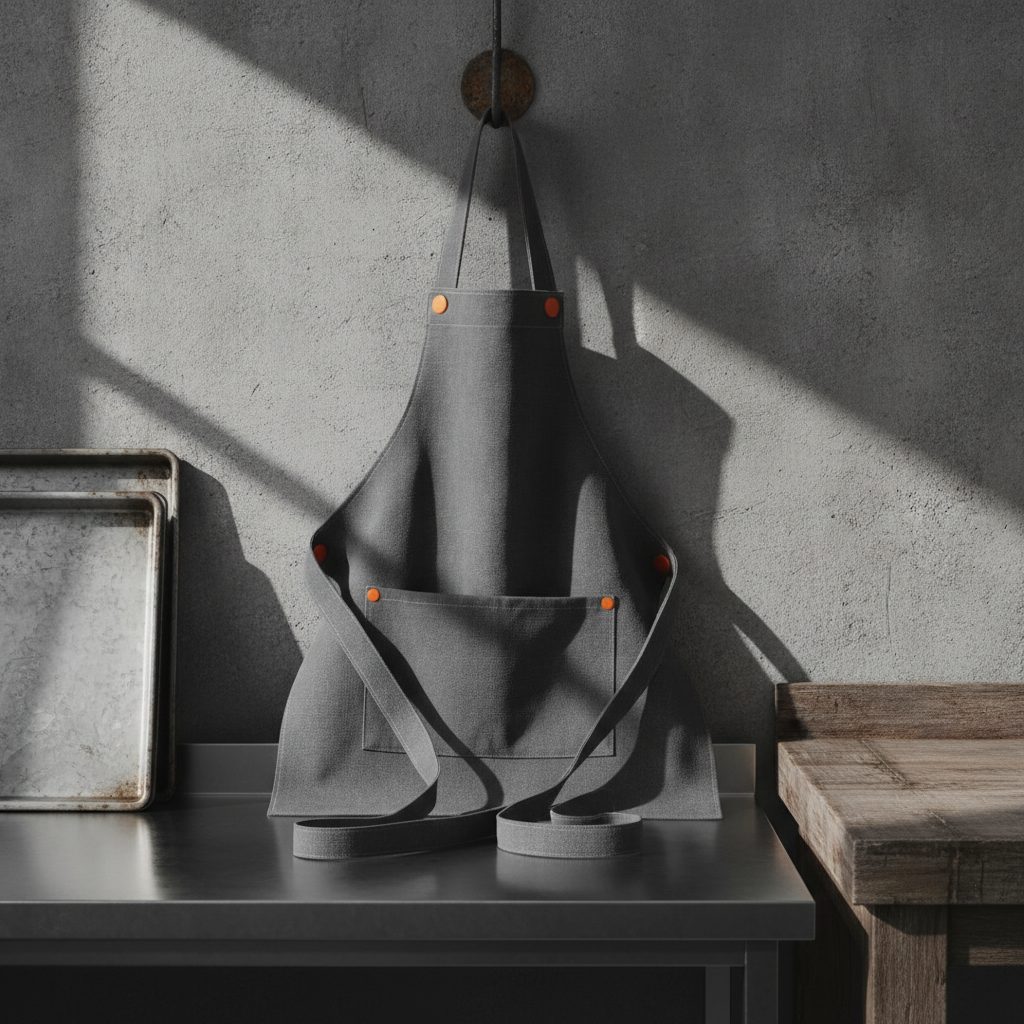
No minimum, so a dozen white tees for an induction week or a handful of aprons is a normal order rather than a short-run surcharge.
🧵
A worn-in look
Because the ink sinks in, the mark reads softer and slightly more faded from day one, which is the look people are usually after when they say they do not want it to look printed on.
FAQ
Questions we get asked
Is there a minimum?
No. One garment is a normal order, the same as DTF and DTG. Screen printing is the only method here that carries a minimum, at 12 pieces per design.
Will it show on a dark garment?
Not well, and this is the honest limit of the method. The ink is absorbed into the fabric, so the garment colour shows through it. On a navy or black work shirt you want DTF or a screen print with an opaque plastisol instead.
How long does it take?
2 to 3 weeks, including shipping, measured from mockup approval. Production time is quoted separately from transit, and UPS 2nd Day Air and Next Day Air are available when the date will not move.
What file format do you need?
PNG is preferred, on a transparent background, up to 15 × 18 inches. PSD, AI, PDF, EPS and JPG also work. Avoid gradient shading right at the edge of the artwork — it does not resolve cleanly where the transfer ends.
Can you do this on garments I supply?
Yes. Send a spec sheet first so we can confirm the fabric takes the ink — fabric matters more here than for any other method, because absorption is the whole mechanism. Include 2–3% spoilage; we do not cover replacement cost on customer-supplied garments.
Not sure between this and DTF?
Tell us the garment colour and whether the print needs to be felt or not. That answers it in one line, and we will quote the one that is actually right.