DTG printing
Printed into the cotton
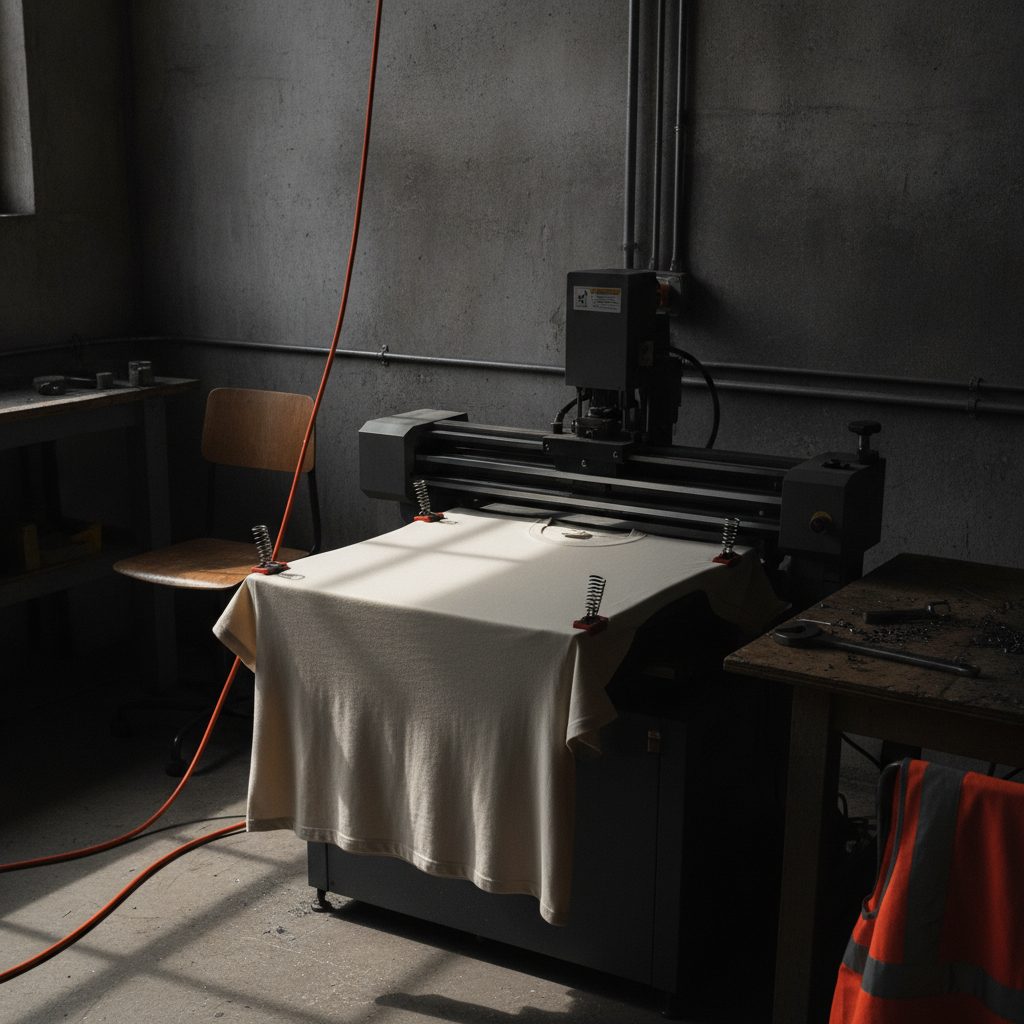
Ink goes straight into the fibers of the garment rather than onto a film or through a screen, so there is nothing to feel when you run a hand over it. Full color, no minimum, and the detail a screen cannot separate.
No minimum
Full color
Max 15 × 18 in
345 garments
What it is for
Where DTG is the right answer
🎯
Detail a screen cannot hold
Photographic artwork, fine gradients and colour counts nobody wants to separate. A screen print prices per colour; DTG does not care how many there are.
⚡
Soft to the touch
Because the ink sits in the fibers rather than on top of them, there is no panel to feel. On a garment worn against the skin through a shift, that is the difference people actually notice.
🧵
Cotton, and cotton-rich
DTG needs cotton to bond to, which is why it covers 345 of the catalog rather than all 493. On polyester or a poly-heavy blend it is the wrong call — that job goes DTF or a low-cure screen print.
01. File
Send it at final size
PNG at 300 DPI, scaled to the size it will print, on a transparent background. DTG prints what you send, so a file that is soft at final size prints soft — we will tell you before we take the job, not after.

02. Print
Pre-treat, print, cure
The garment is pre-treated so the ink bonds rather than sits, printed, then cured. On dark garments the white underbase is what carries the color, which is why a dark shirt costs more to print than a light one.
03. Ship
Boxed how you asked
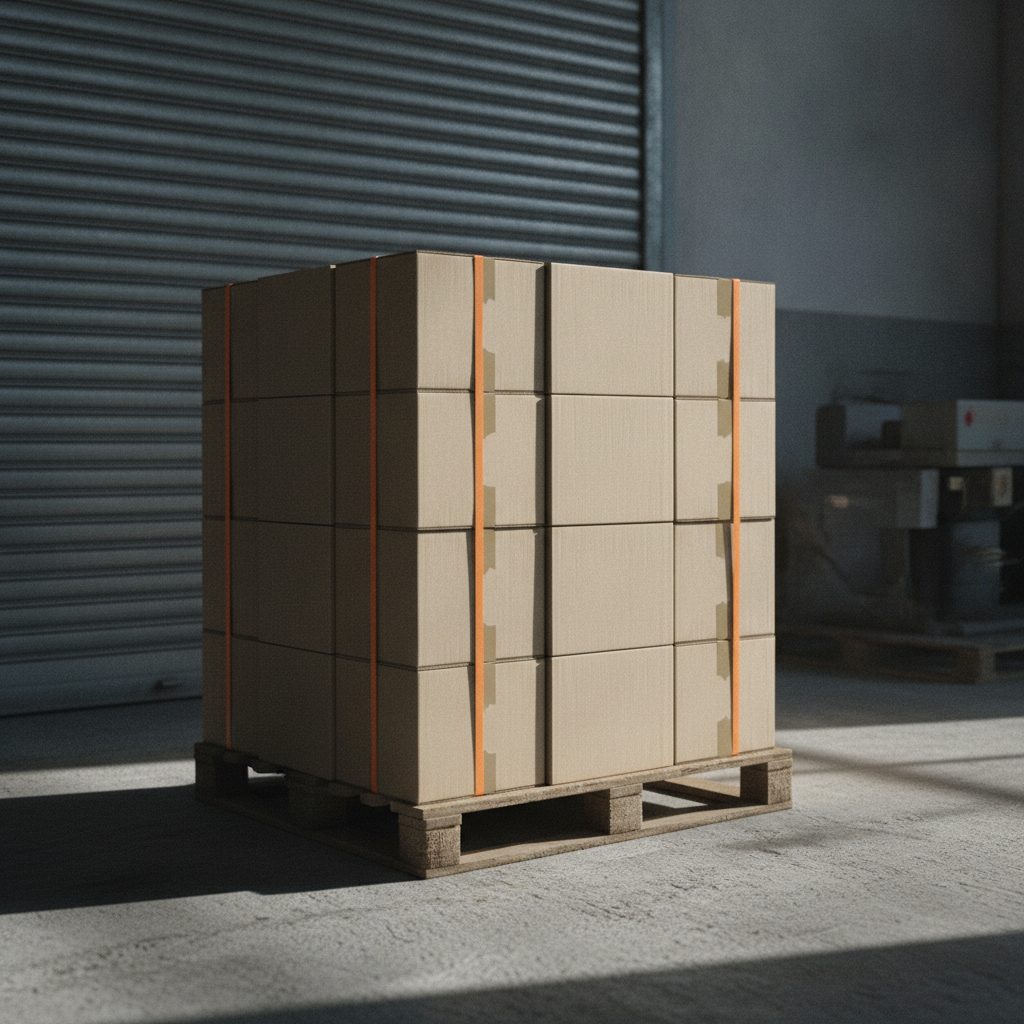
Folded, poly-bagged or split into size runs by destination, with tracking on every box. Free shipping over $250, and blind shipping if you ask for it at the start.
Garments that take DTG
345 of the 493 garments in the catalog can be printed direct-to-garment — the narrowest coverage of the four methods, because DTG needs cotton to bond to. This is a live slice of them.
-
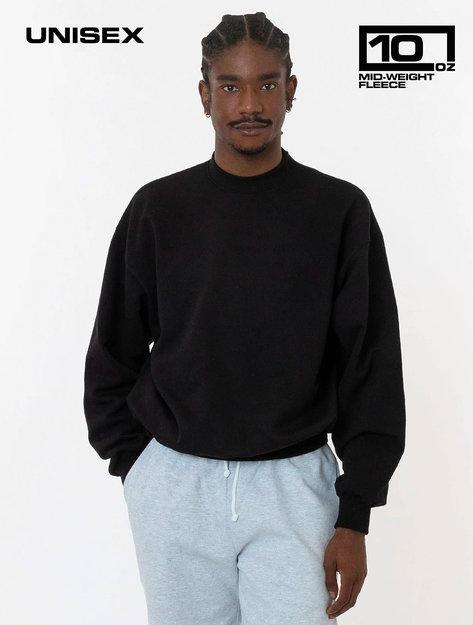
10oz Fleece Wide Crew
View Product: 10oz Fleece Wide Crew$61.70 -
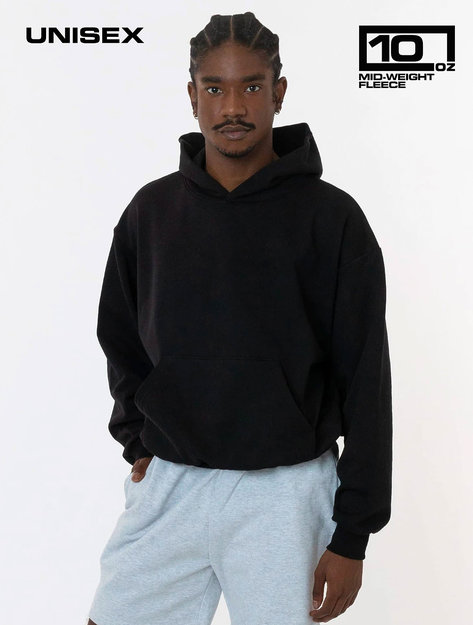
10oz Fleece Wide Hoodie
View Product: 10oz Fleece Wide Hoodie$74.18 -
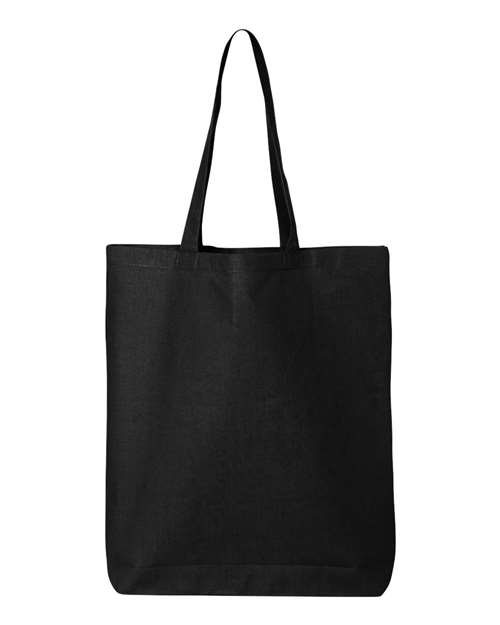
12L Economical Tote
View Product: 12L Economical Tote$5.16 -
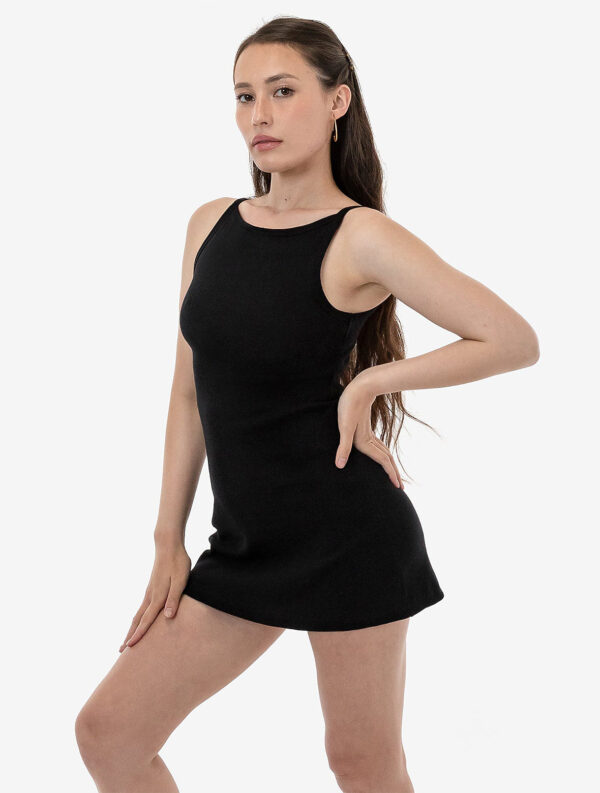
14/1RibSpaghetti BoatneckDress
View Product: 14/1RibSpaghetti BoatneckDress$17.16 -
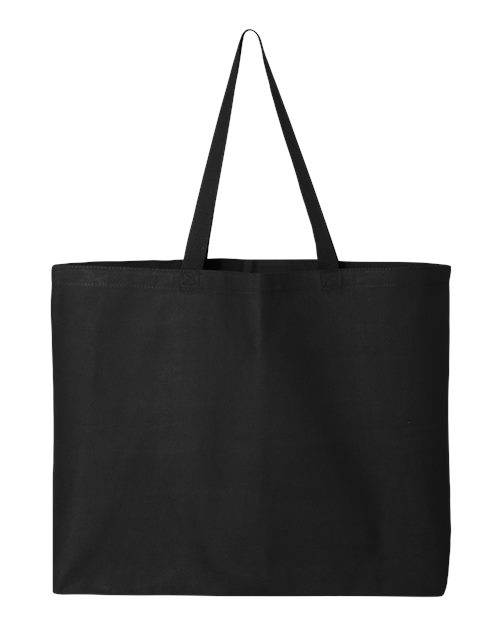
25L Jumbo Tote
View Product: 25L Jumbo Tote$8.16 -
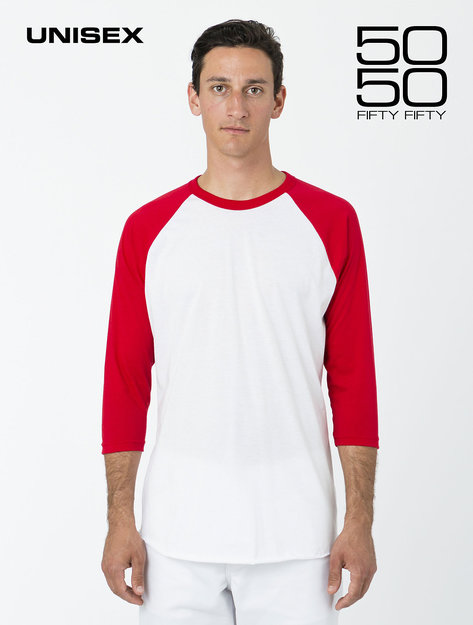
3/4 Sleeve Cotton Poly Raglan 3.8oz
View Product: 3/4 Sleeve Cotton Poly Raglan 3.8oz$18.48 -
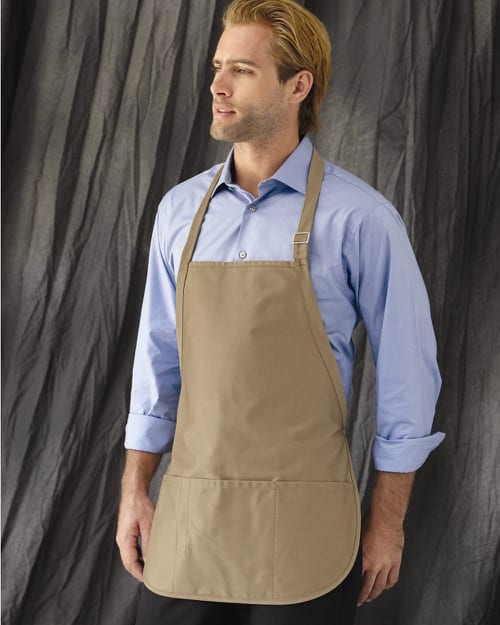
Adjustable Neck Strap Three Pocket Apron
View Product: Adjustable Neck Strap Three Pocket Apron$19.14 -
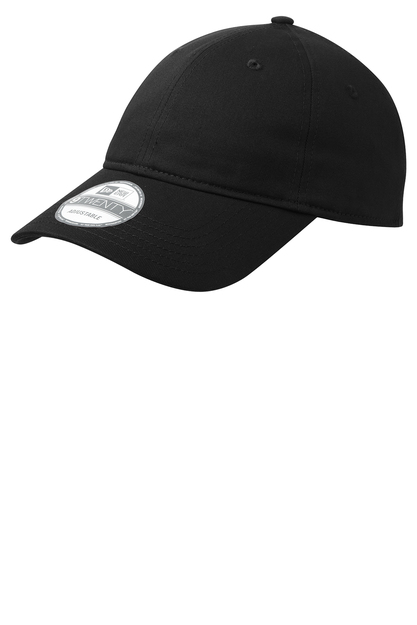
Adjustable Unstructured Cap
View Product: Adjustable Unstructured Cap$18.45 -
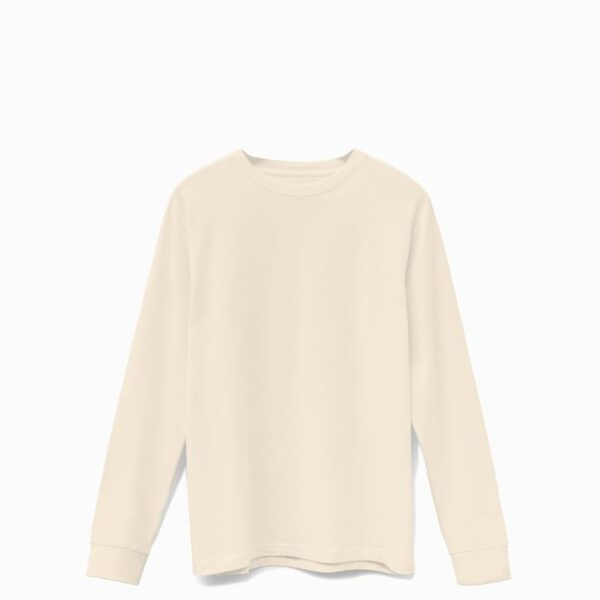
American Grown Supima® 100% Cotton 6oz Long Sleeve T-Shirt
View Product: American Grown Supima® 100% Cotton 6oz Long Sleeve T-Shirt$42.24 -
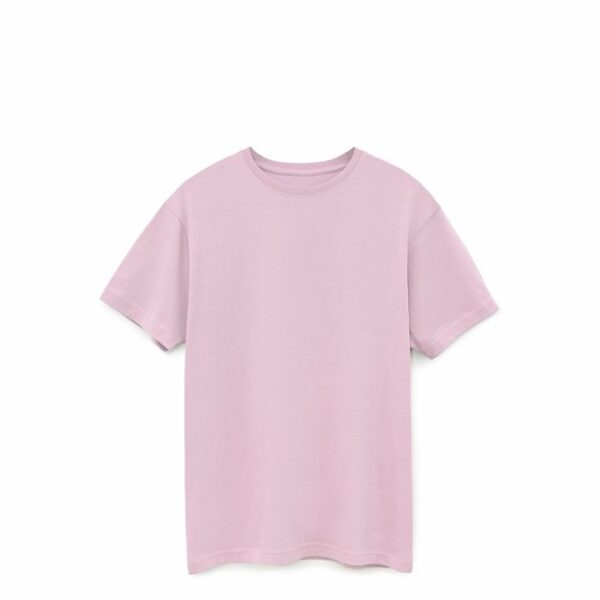
American Grown Supima® 100% Cotton 6oz T-Shirt
View Product: American Grown Supima® 100% Cotton 6oz T-Shirt$31.68 -
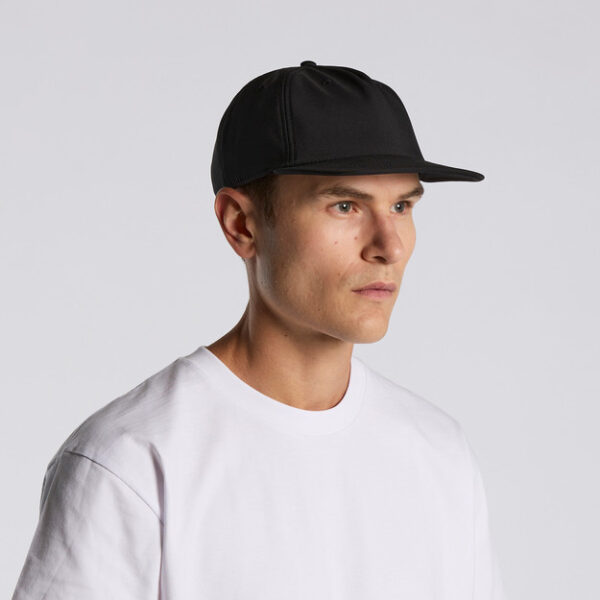
AS Class Performance Cap
View Product: AS Class Performance Cap$13.99 -
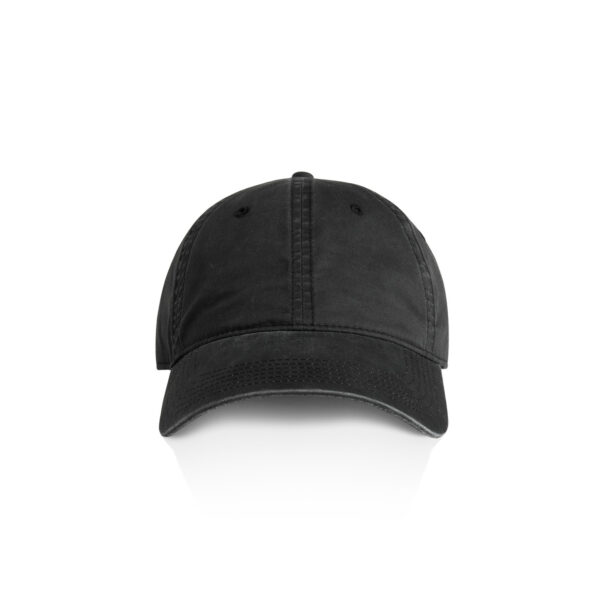
AS Colour – Custom Access Faded Cap
View Product: AS Colour – Custom Access Faded Cap$7.63
FAQ
Questions we get asked
Is there a minimum?
No. One garment is a normal order. There are no screens to make, so a single piece is not carrying a setup cost that only makes sense across a run.
Why is a dark garment more expensive?
Because it needs a white underbase before the color goes down, which is more ink and another pass. A light garment skips both. If budget matters and the garment colour is not fixed, that is the lever to pull.
Can you print polyester?
Not well, and we will say so rather than take the order. DTG bonds to cotton; on polyester the ink has nothing to hold and the garment’s own dye migrates into it. That job goes DTF, or a screen print with a low-cure ink and a blocker.
What file format do you need?
PNG is preferred, at 300 DPI scaled to final print size with a transparent background. PSD, AI, PDF, EPS and JPG all work. Maximum print size is 15 × 18 inches.
DTG or DTF?
DTG if the garment is cotton and you want no hand-feel at all. DTF if the run mixes fabrics, or if every piece carries a different name. Send the garment and the artwork and we will tell you which, before you commit.
Send the artwork
Send the garment, the quantity and the file at final size. If DTG is the wrong method for it, we will say which one is right.