DTF transfers, Vernon California
One garment, one name, one price
A printed film heat-pressed onto the garment. No minimum and no color count, which makes it the only sensible way to put a different name on every jacket in a crew without the price collapsing into a short-run surcharge.
No minimum
Unlimited colors
Max 15 × 18 in
487 garments
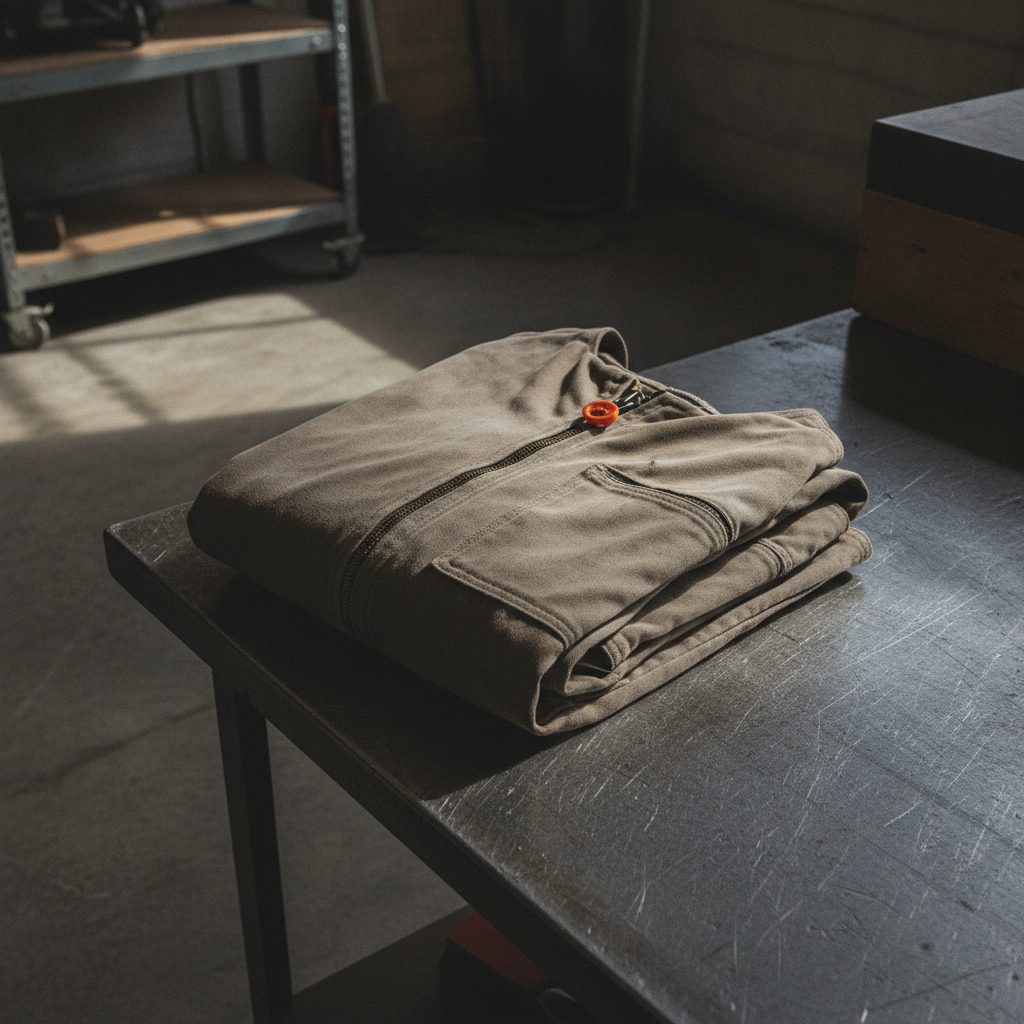
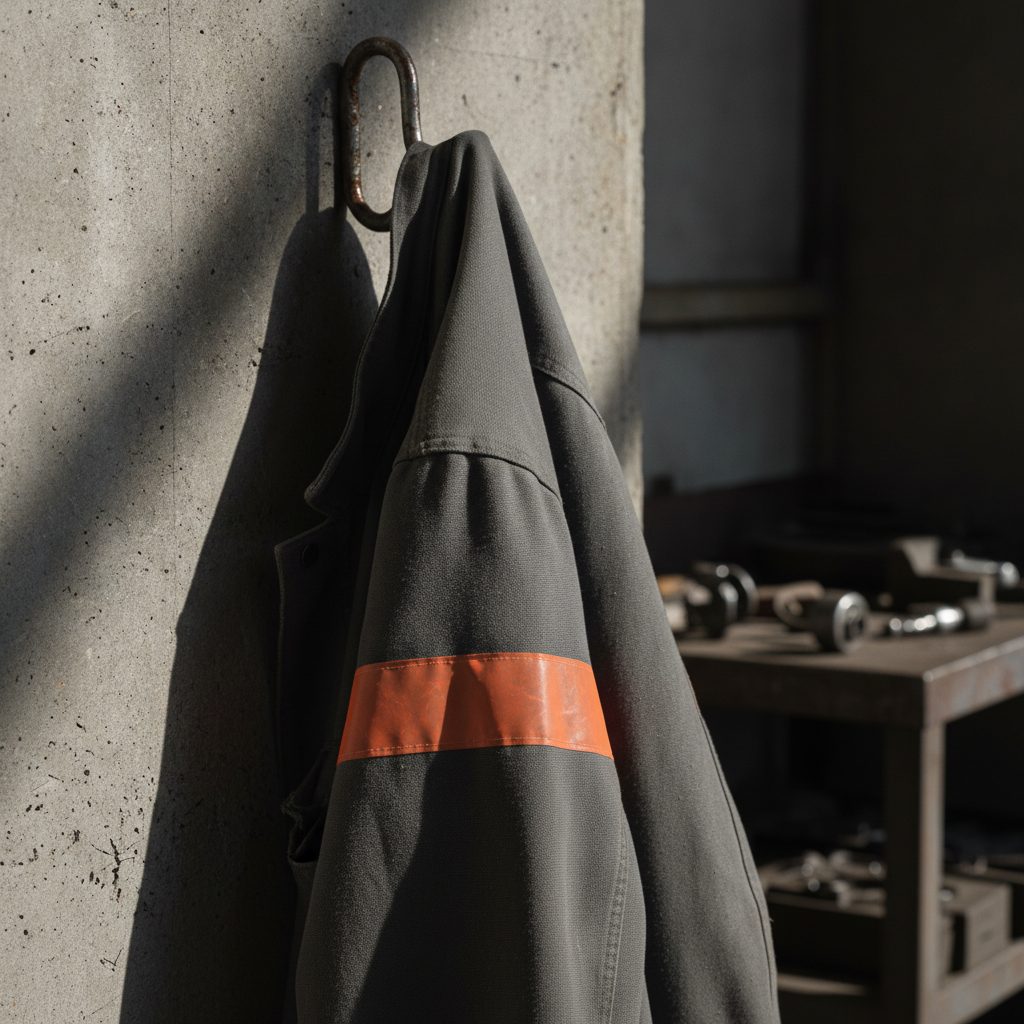
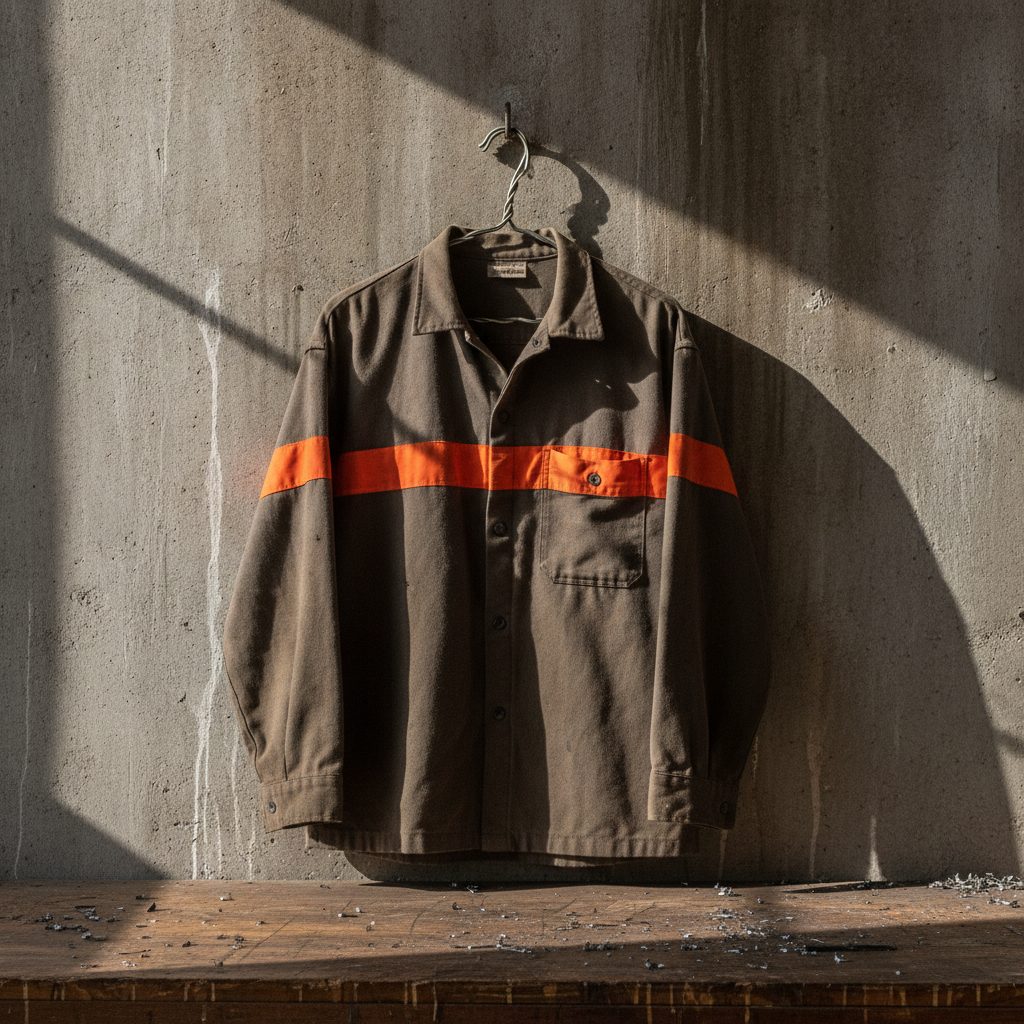
Use cases
Where DTF earns its place
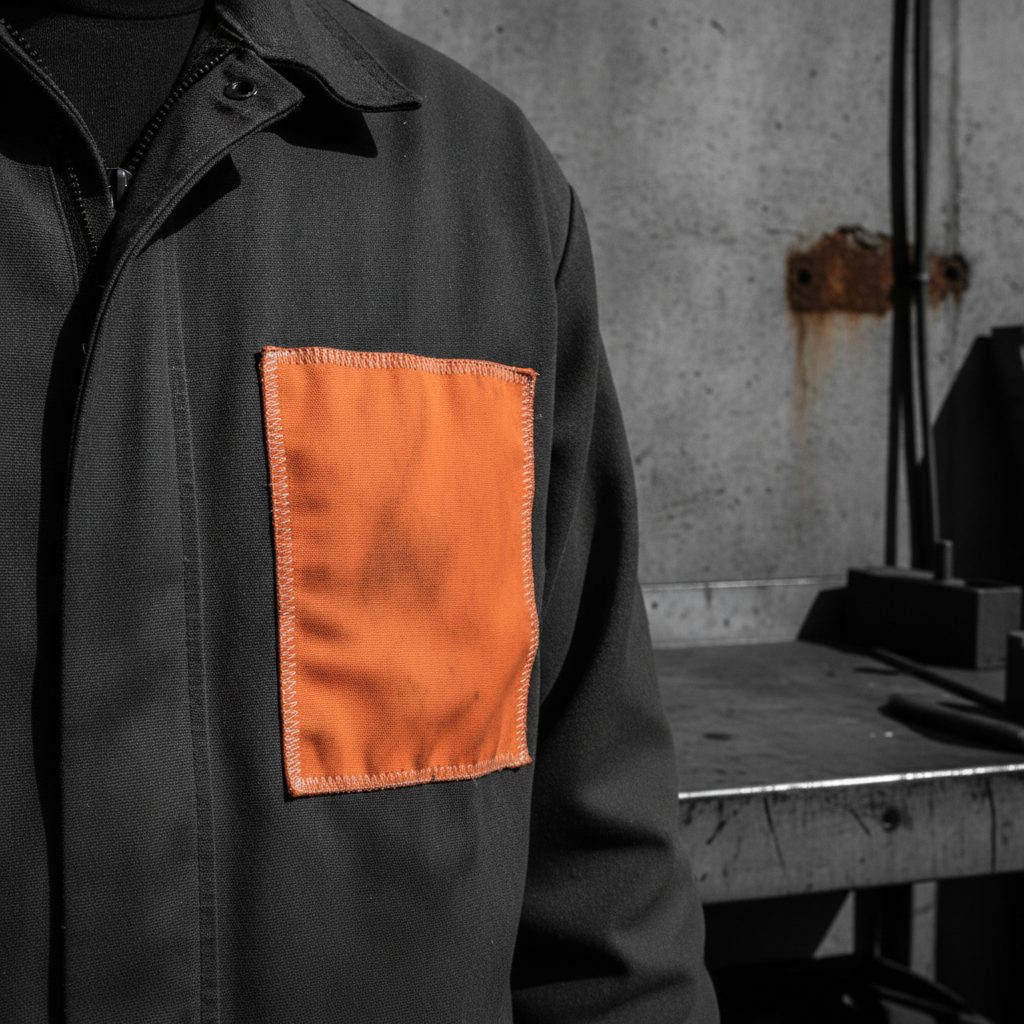
Most requested
Names and numbers
Every garment in the run different. One name on one jacket costs the same to set up as fifty of them, because there are no screens to make and no color count to price.
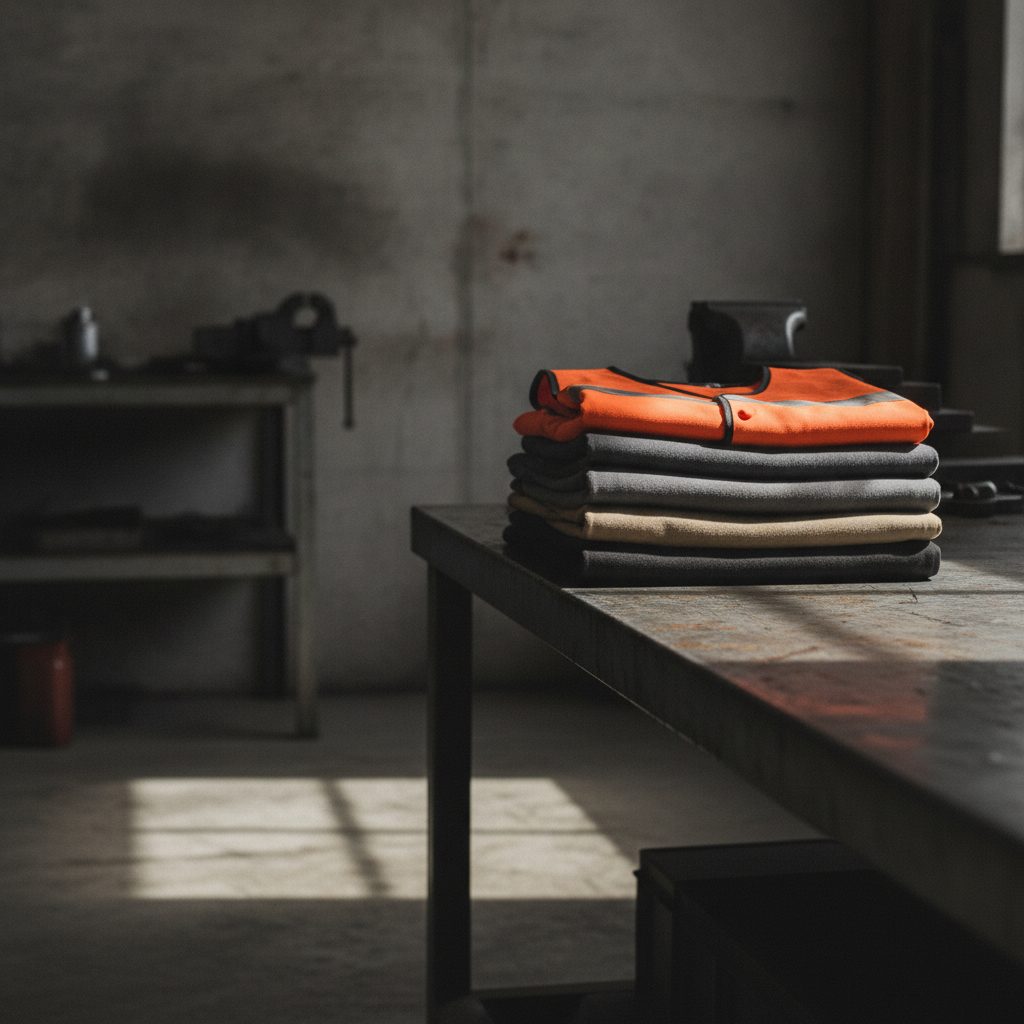
Short runs
Under twelve pieces
Below the screen-print minimum, DTF is usually the cheapest way to get a full-color mark onto a garment without paying setup on a run of six.
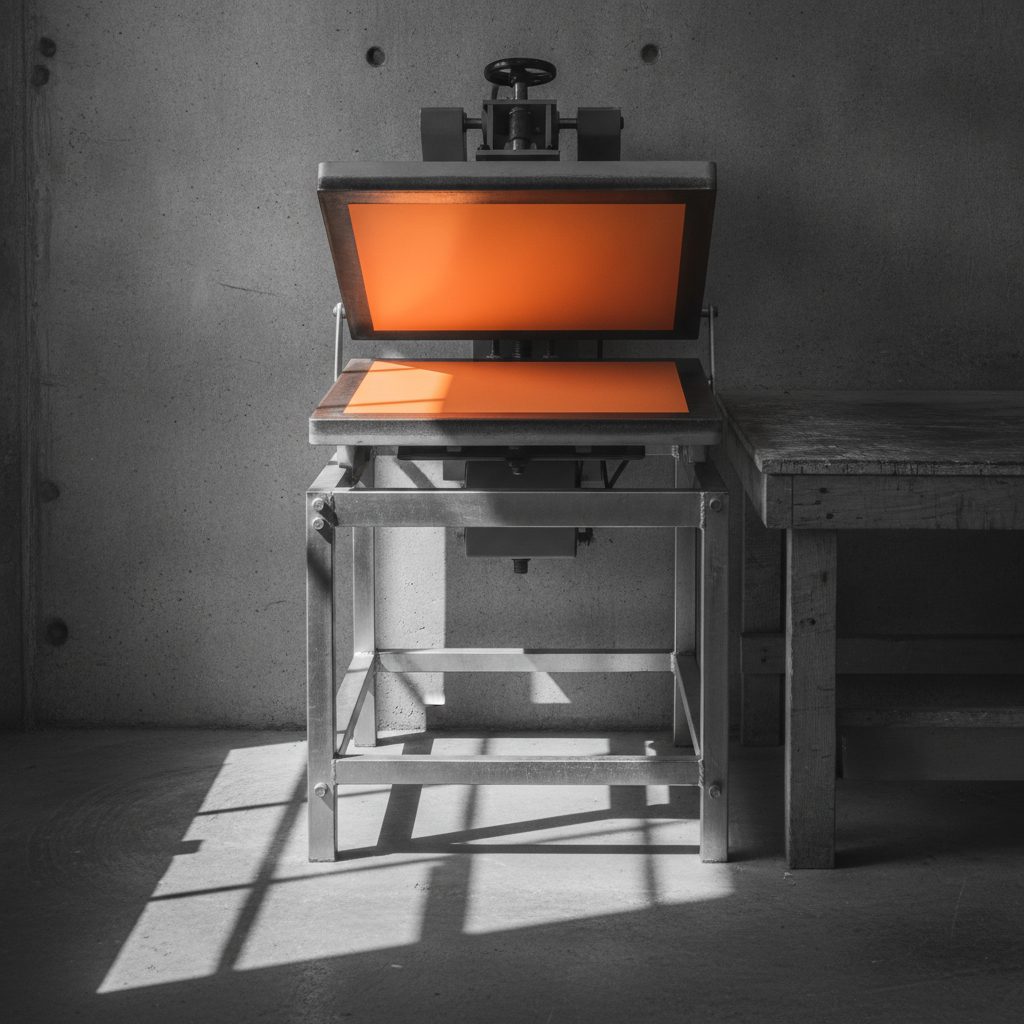
Full color
Artwork a screen cannot separate
Photographic detail, gradients and dozens of colors all price the same, because the film is printed rather than separated. Max size is 15 × 18 inches.
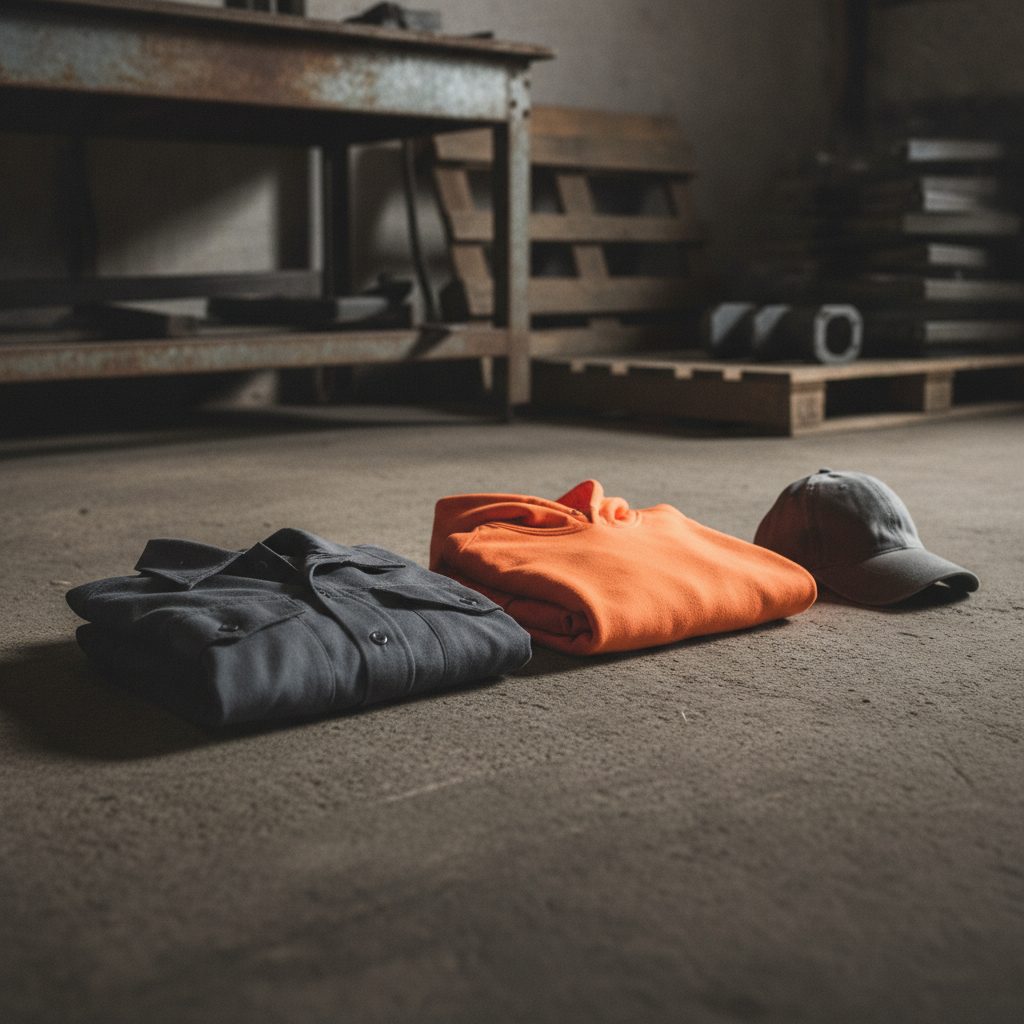
Mixed garments
One design, many fabrics
The same transfer presses onto cotton, polyester and blends, so a crew ordering work shirts, hi-vis tees and jackets gets one consistent mark across all three.
When something else is the better answer
DTF is the most flexible method here, which is not the same as being the right one. Four cases where we will point you somewhere else.
Volume, all identical
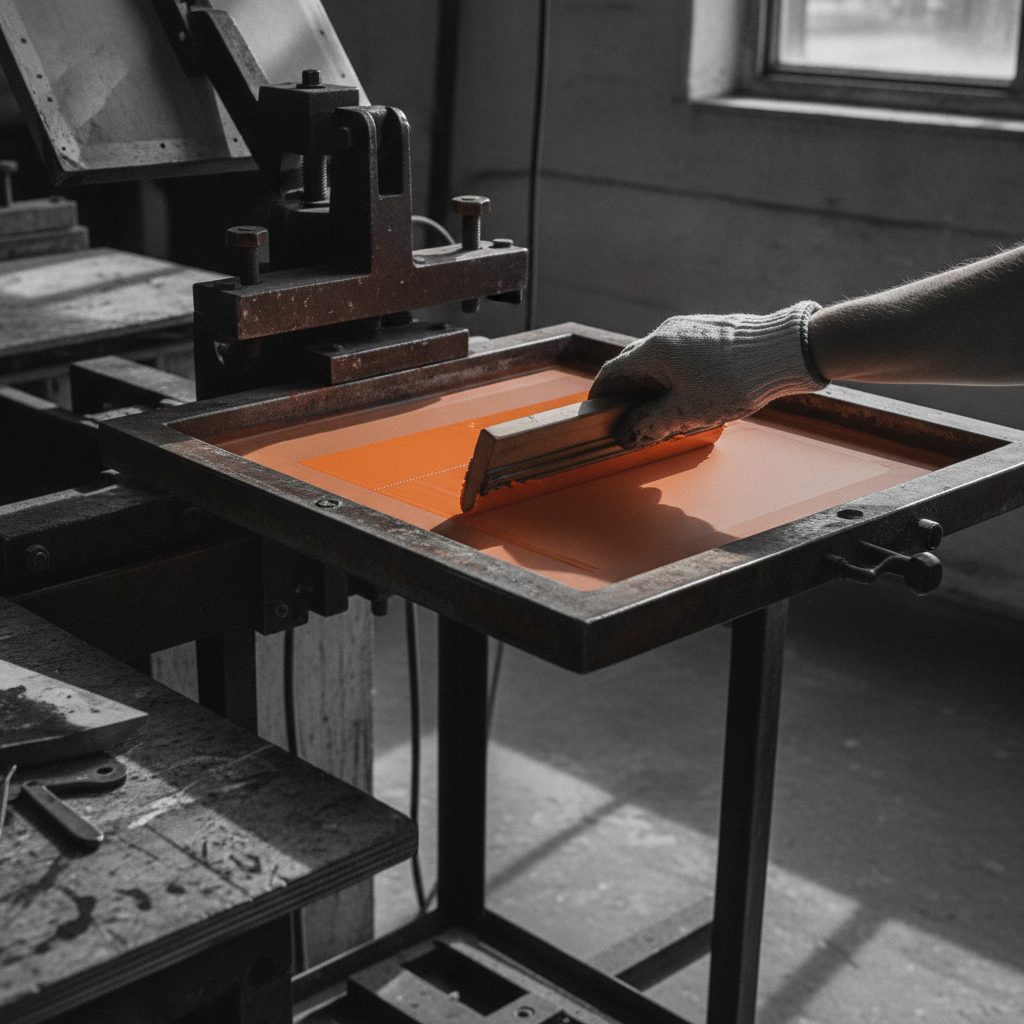
Past about a dozen identical garments, screen printing gets cheaper per piece and does not stop getting cheaper. If the whole crew wears the same mark, that is the run to screen print.
Industrial laundry
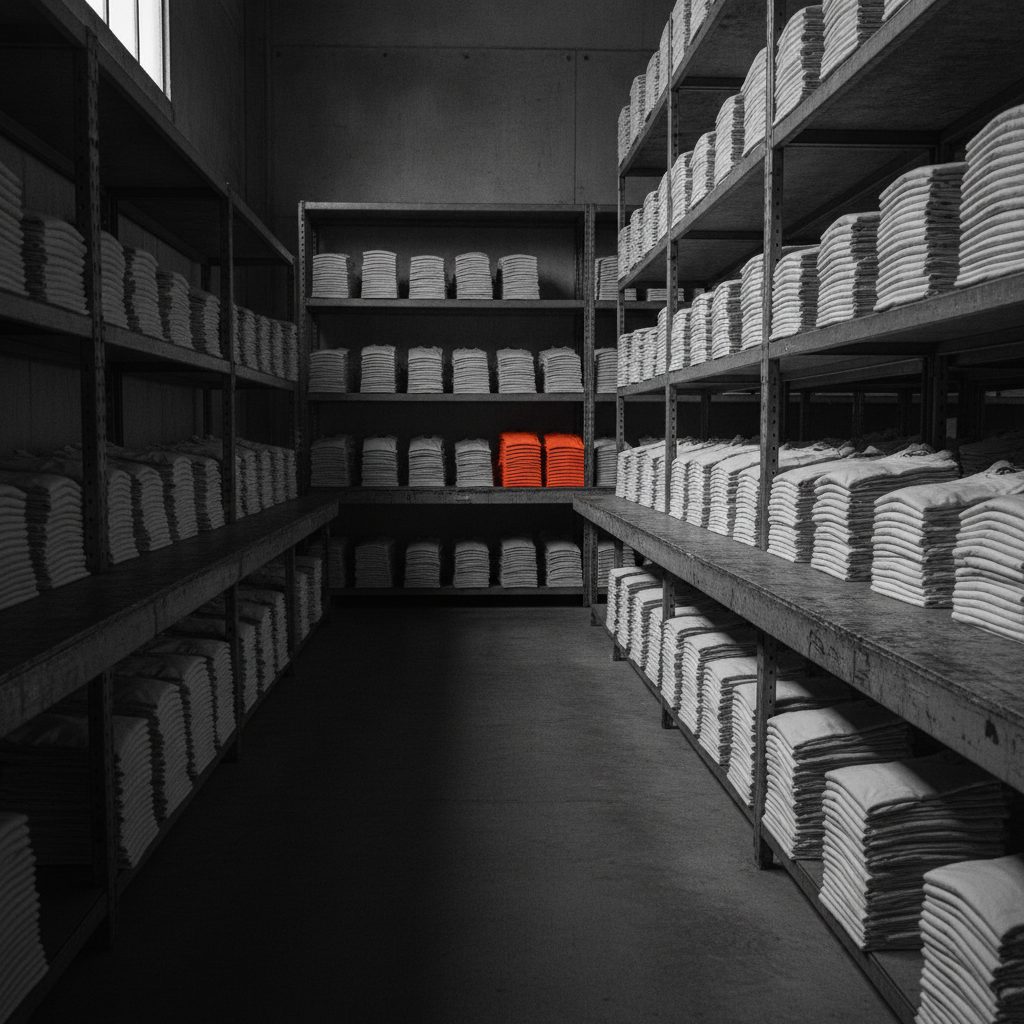
A transfer is bonded to the surface of the fabric. On a garment washed hot every week for years, embroidery or a cured screen print will outlast it. Tell us the wash regime and we will say which.
Caps and heavy seams
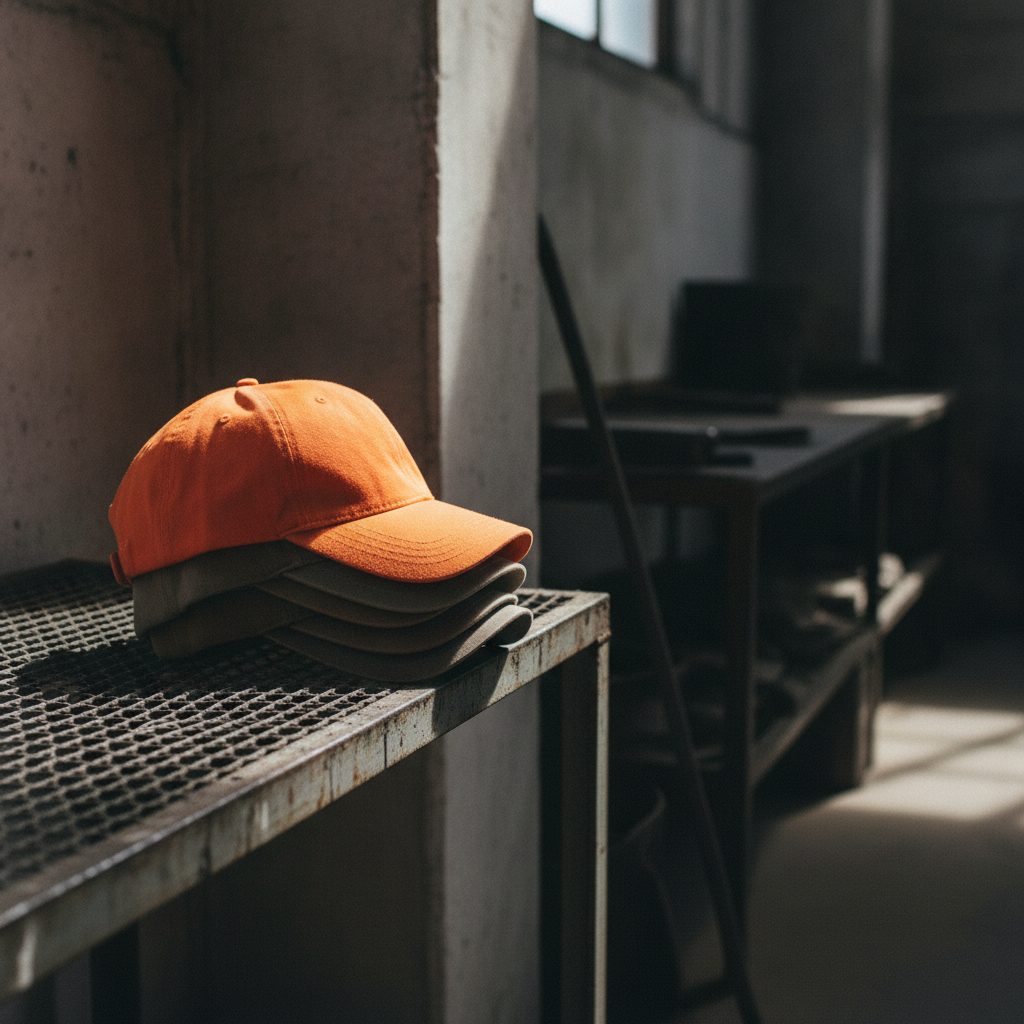
A heat press needs a flat panel. Cap fronts, pocket edges, thick seams and zips are embroidery’s territory, not a transfer’s.
Reflective and texture
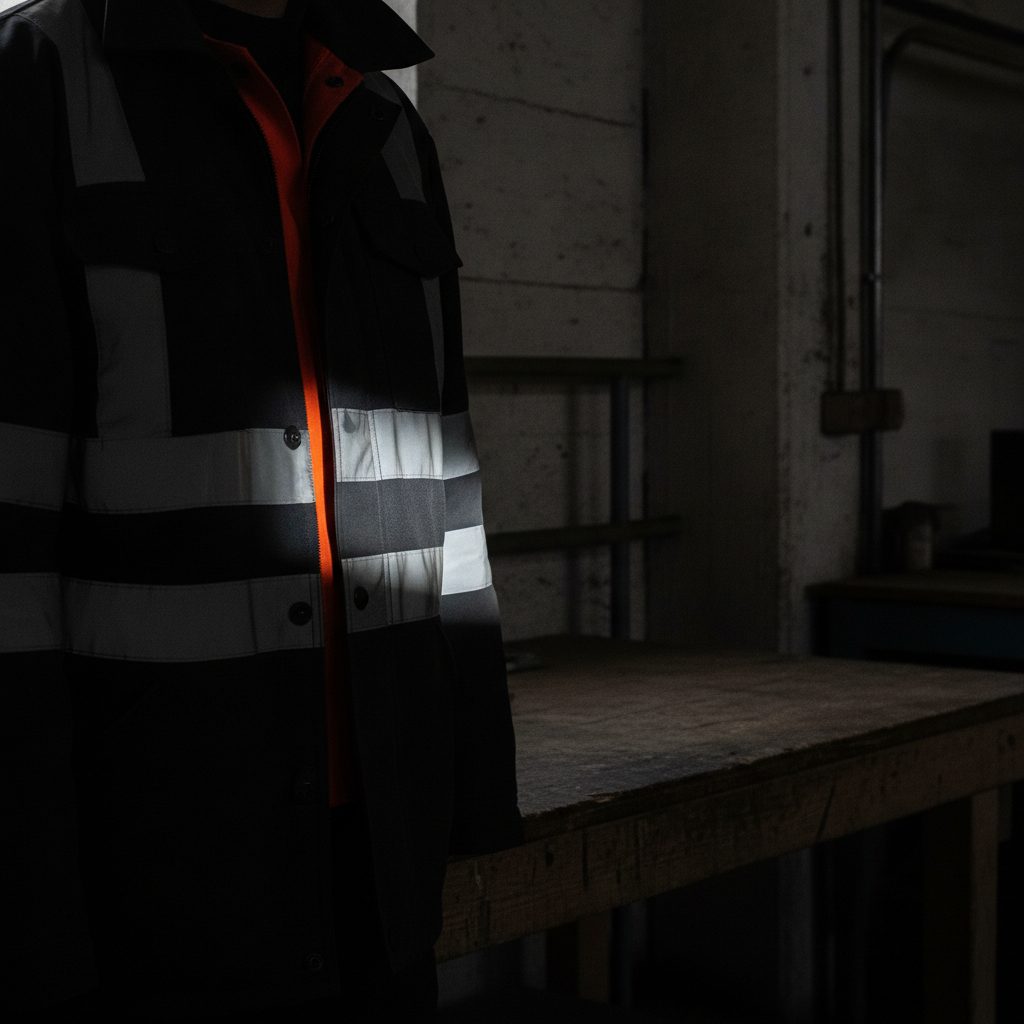
3M reflective, puff, high-density and metallic are screen-print inks. A transfer can print a picture of texture but cannot create one, and it cannot reflect light at all.
Garments that take DTF
487 of the 493 garments in the catalog take a DTF transfer, which is the widest coverage of any method we run. This is a live slice of them.
-
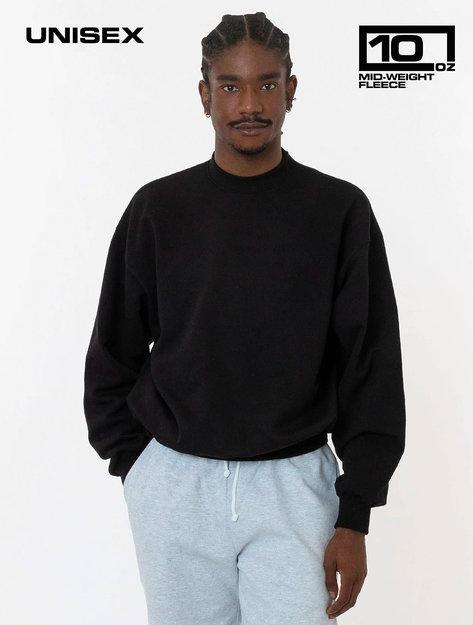
10oz Fleece Wide Crew
View Product: 10oz Fleece Wide Crew$61.70 -
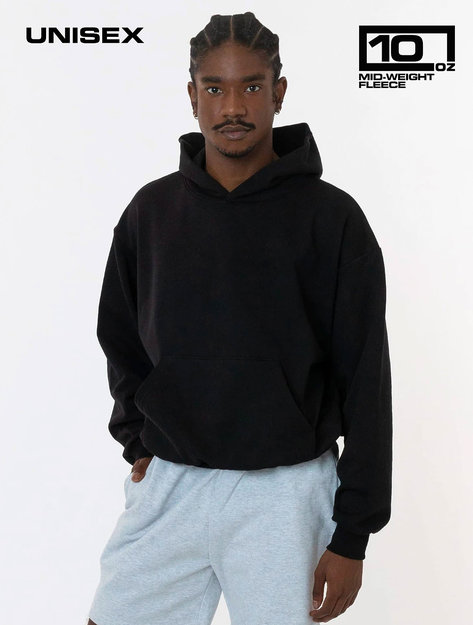
10oz Fleece Wide Hoodie
View Product: 10oz Fleece Wide Hoodie$74.18 -
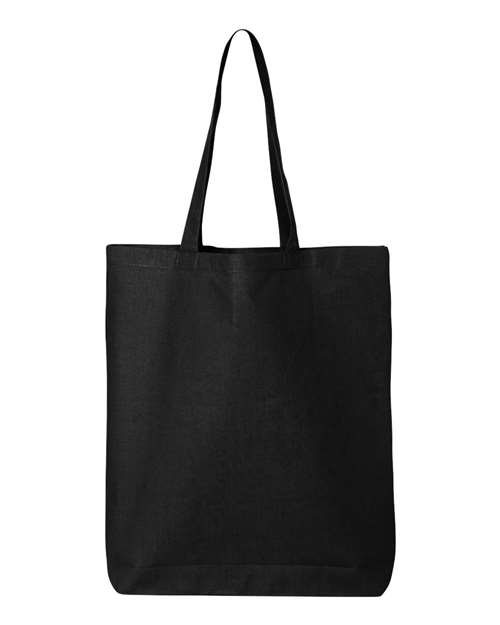
12L Economical Tote
View Product: 12L Economical Tote$5.16 -
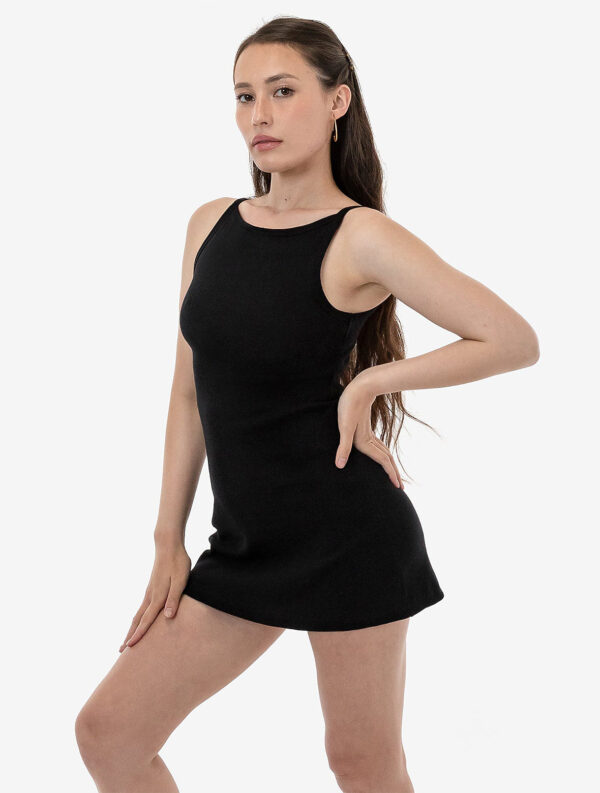
14/1RibSpaghetti BoatneckDress
View Product: 14/1RibSpaghetti BoatneckDress$17.16 -
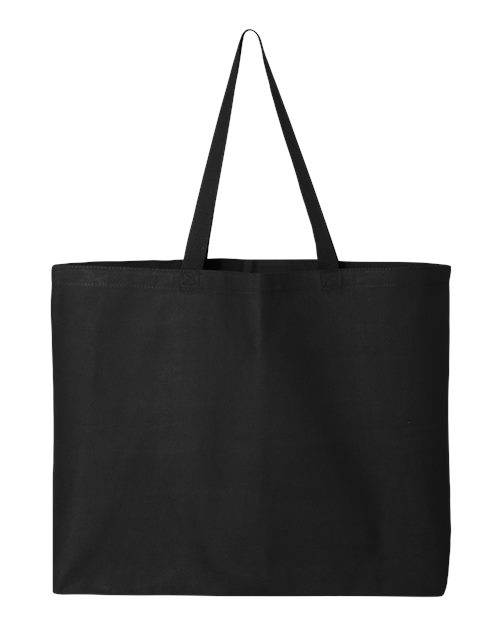
25L Jumbo Tote
View Product: 25L Jumbo Tote$8.16 -
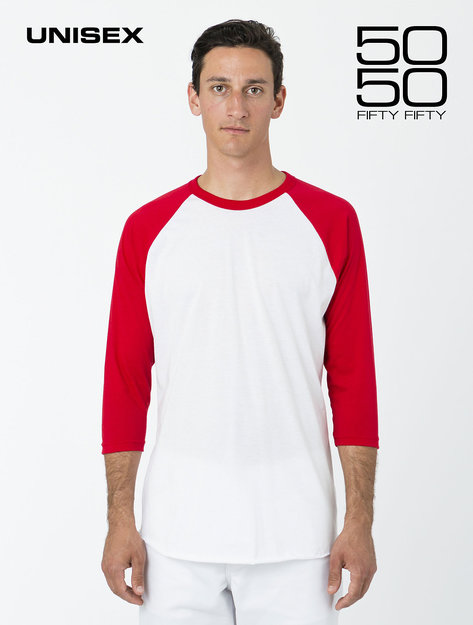
3/4 Sleeve Cotton Poly Raglan 3.8oz
View Product: 3/4 Sleeve Cotton Poly Raglan 3.8oz$18.48 -
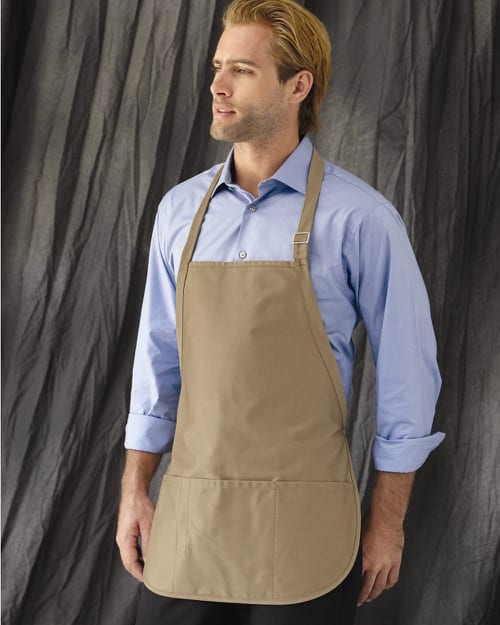
Adjustable Neck Strap Three Pocket Apron
View Product: Adjustable Neck Strap Three Pocket Apron$19.14 -
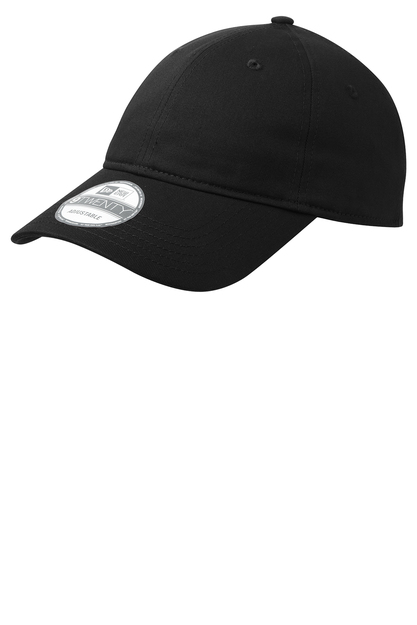
Adjustable Unstructured Cap
View Product: Adjustable Unstructured Cap$18.45
FAQ
Questions we get asked
Is there really no minimum?
None. One garment is a normal order, and because there are no screens to make, one piece is not carrying a setup cost that only makes sense spread across fifty.
Can every garment carry a different name?
Yes, and it is what DTF is best at. Send the name and number list alongside the size run and the order comes back sorted per person. There is no per-name setup charge.
How many colors can it print?
Unlimited. The film is printed rather than separated into screens, so a two-color logo and a photograph cost the same to produce. Maximum size is 15 × 18 inches.
What file format do you need?
PNG is preferred, at 300 DPI scaled to final size with a transparent background. PSD, AI, PDF, EPS and JPG all work too. Avoid gradient shading right at the edge of the artwork — it does not cut cleanly.
Will it hold up on a work garment?
For normal wear, yes. For a garment going through industrial laundry every week for years, a cured screen print or embroidery will outlast it — a transfer is bonded to the surface rather than into the fibers. Tell us the wash regime and we will recommend against ourselves if that is the honest answer.
Send the name list
Send the garment, the size run and the names. It comes back sorted per person, with garments, decoration and freight priced as separate lines.